Published: November 21, 2026
Updated: November 21, 2026
If you bale hay, feed cattle, haul grain and still need a tractor that runs a loader every morning, the 6 Series is where the choices stack up fast. The 6R was redesigned for model year 2027 and the 6M sits right beside it. Here is a plain way to sort it out.
Start with horsepower, then work down
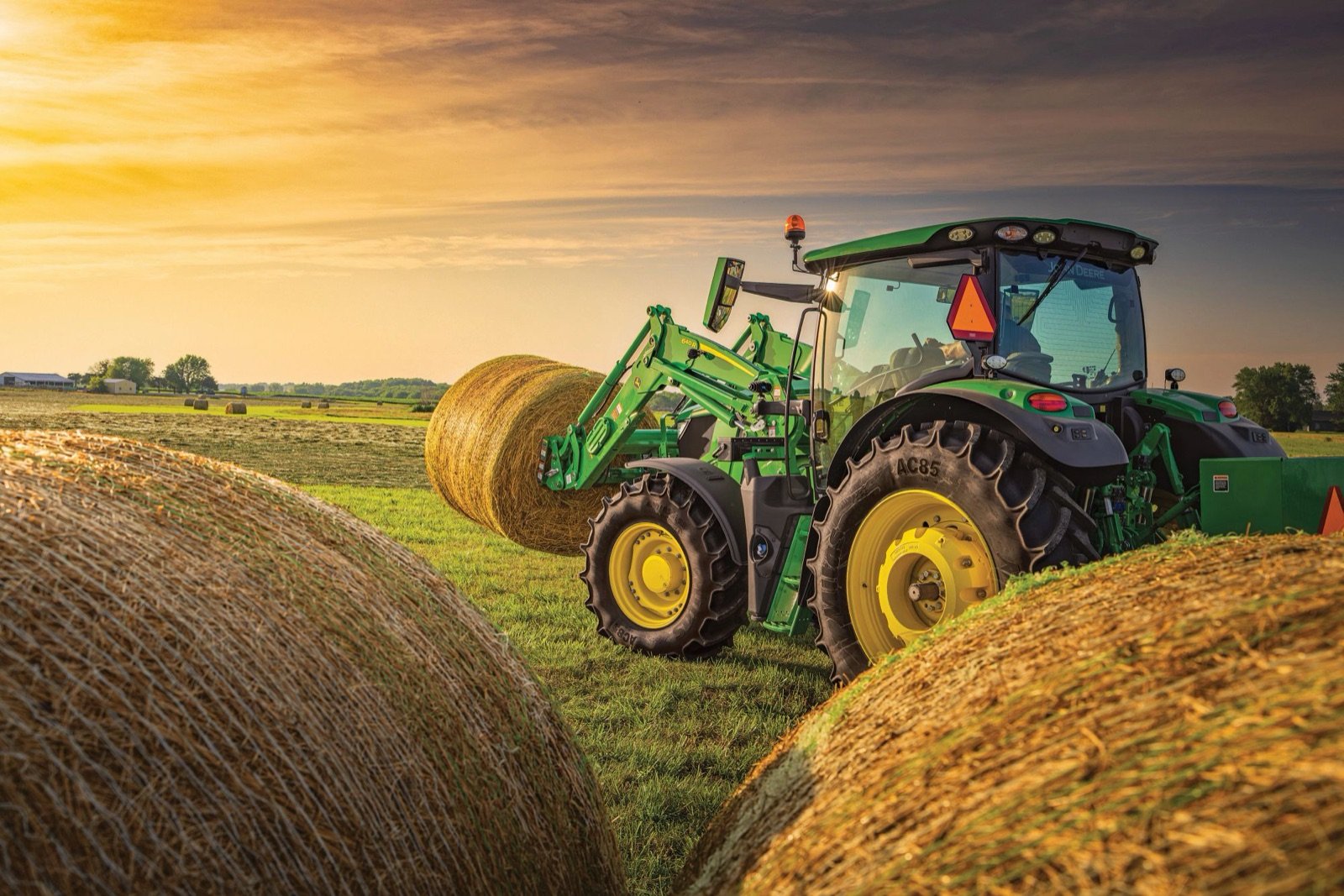
Under about 150 hp: small-frame 6R (6R 110, 120, 130, 140, 150). Four-cylinder, 4.5 L engines rated 110 to 150 hp. This is the chore tractor for feeding, bale moving, mowing and loader work around the barn. If hay is the main job, our guide to setting up a round baler for second cutting shows what the tractor behind it needs to deliver. The 6R 150 can reach 177 hp with Intelligent Power Management (IPM) in transport or non-stationary PTO work.
150 to 185 hp: mid-frame 6R (6R 145, 155, 165, 185). Six-cylinder, 6.8 L engines rated 145 to 185 hp. This is the step up for bigger balers, wagons and tillage tools. The 6R 185 reaches 234 hp with IPM.
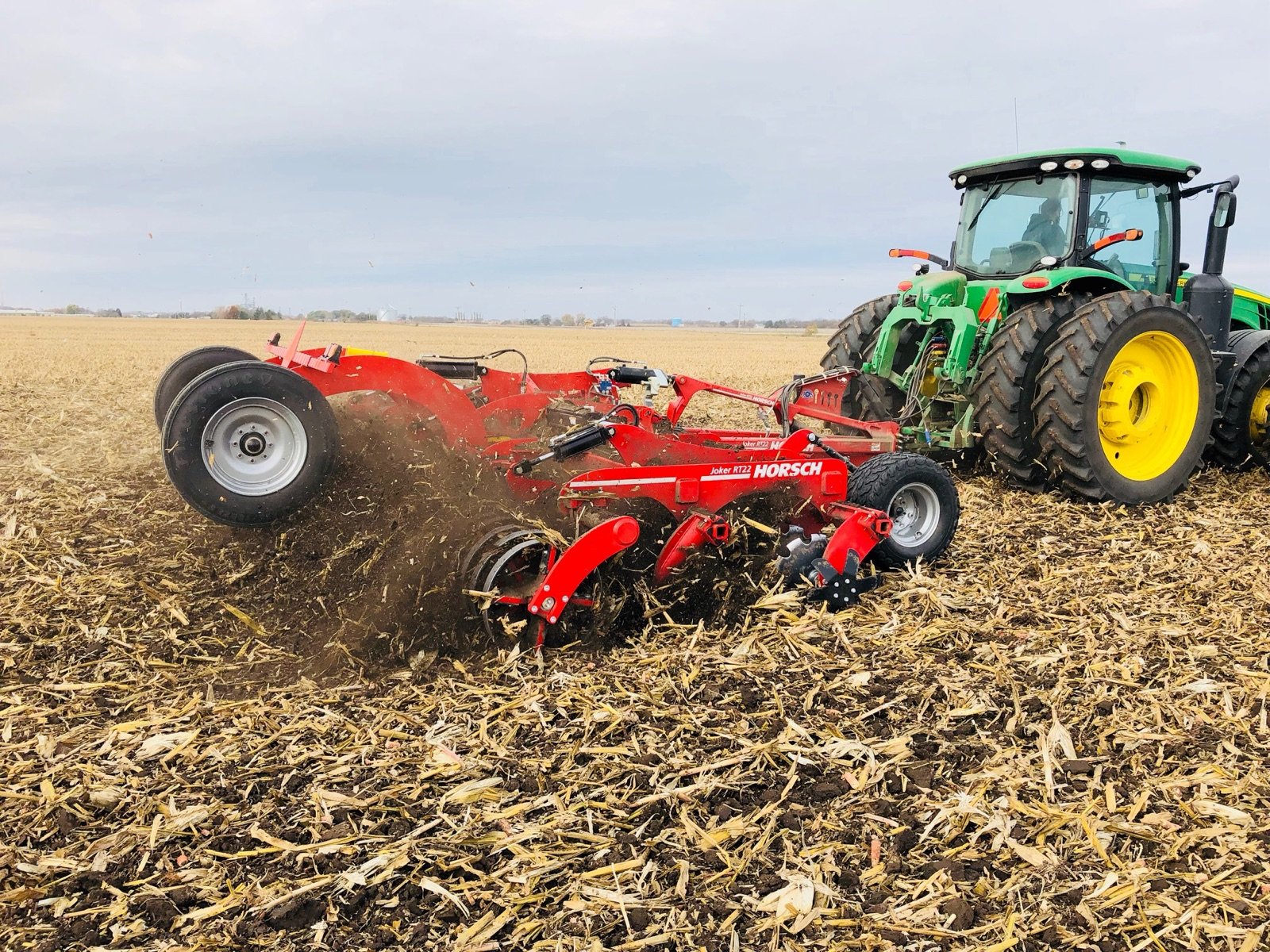
180 to 240 hp: large-frame 6R (6R 180, 200, 220, 240). New for MY27. These are for heavy hauling, bigger tillage and operations where the tractor works most of the day.
230 to 260 hp: extra-large-frame 6R (6R 230, 260). Also new for MY27. The 6R 260 delivers up to 305 hp with IPM, which makes it the pick for the heaviest fieldwork.
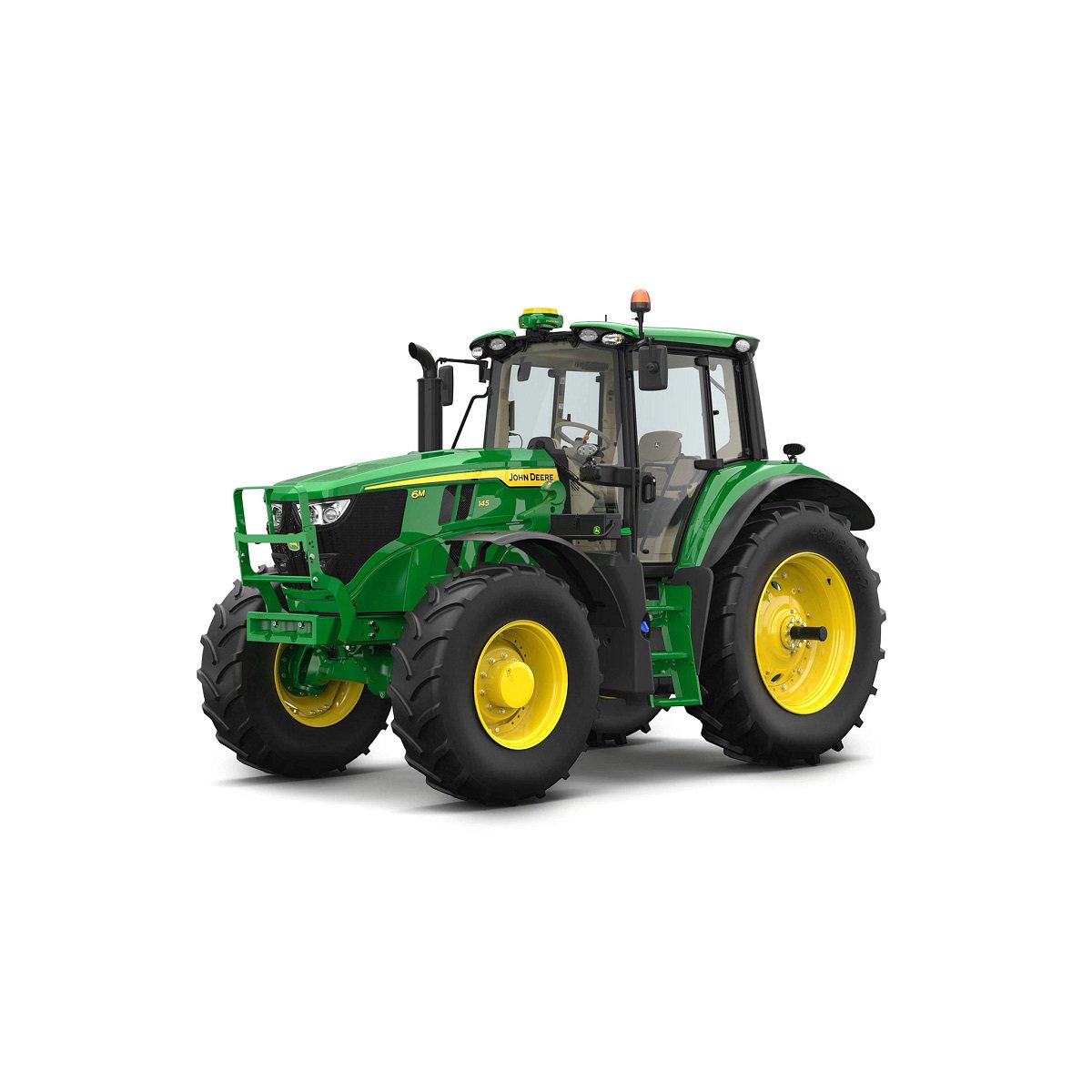
Where does the 6M fit? The 6M covers 95 to 250 hp across five frame sizes, with five transmission options and up to 20 hp of IPM boost. It is a simpler, cost-effective build you can configure to your operation. If you want a cab or open-station tractor for hay, feeding and loader work and you don't need the newest 6R cab and controls, price a 6M beside the 6R.
What changed for model year 2027
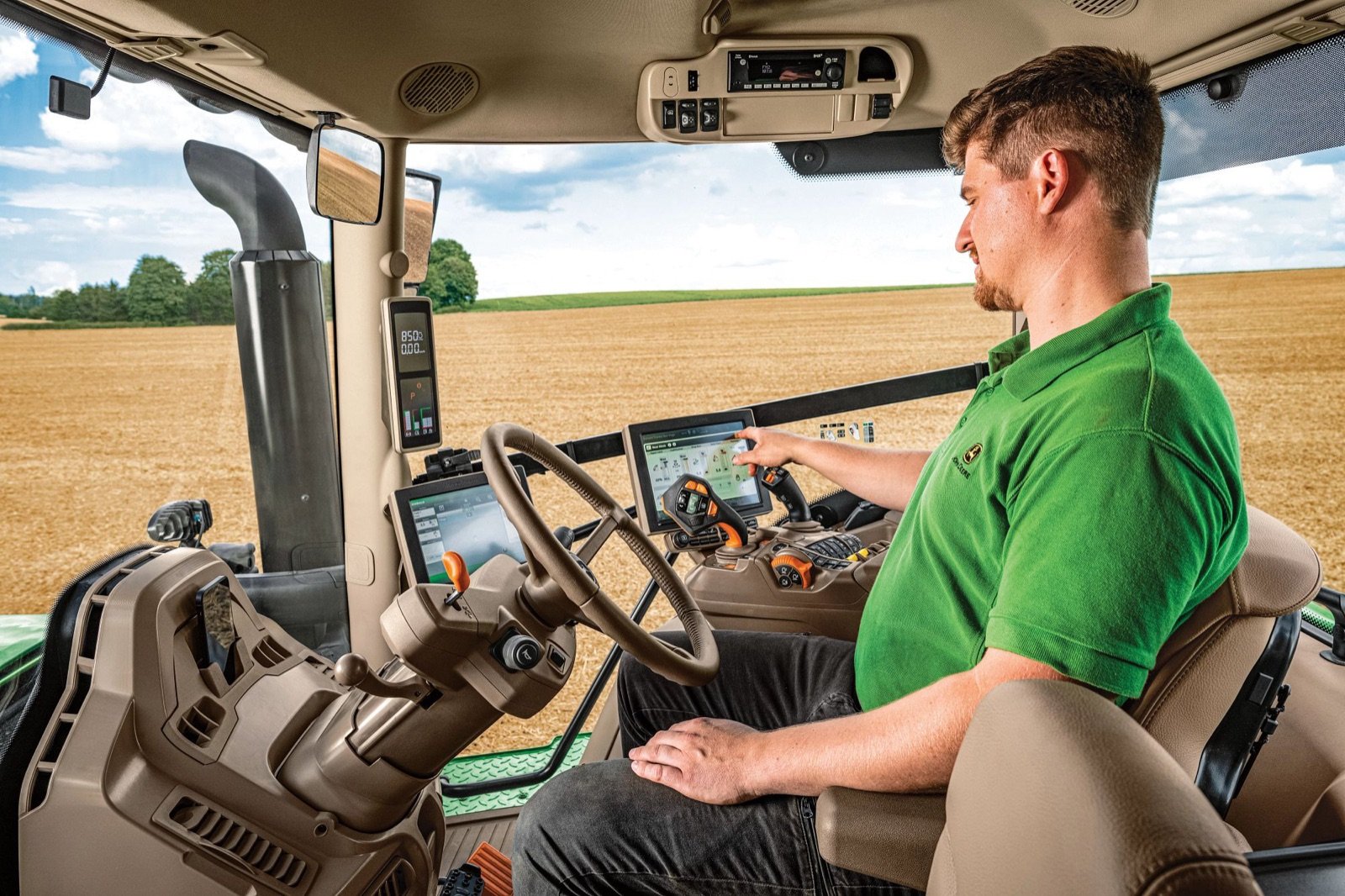
Deere added six 6R models in the large and extra-large frames, with the 6R 260 delivering up to 305 engine hp with IPM. The update also brings cab and control refinements, the e19 transmission on key models, and TLS Pro and Reactive Steering for a better driving experience. The large and extra-large 6R gets the redesigned cab with CommandArm and CommandX controls and an available massaging seat, which matters if you are in the seat 8 to 10 hours a day. On the 6M side, Deere lists compact CommandARM controls, the e19 transmission, an integrated G5 CommandCenter display and a 3-speed PTO.
A closer look: 6R 140 and 6M 140
Horsepower alone does not tell you whether a tractor will handle your implements, so compare the numbers that matter at the back of the tractor. Both figures below come from the published specifications.
| 6R 140 | 6M 140 | |
|---|---|---|
| Rear hitch | Category 2/3N, lifts 7,937 lb standard or 9,039 lb optional | Category 2/3N, lifts 7,930 lb standard or 9,031 lb optional |
| Hydraulic pump | 30 gpm standard, 41 gpm optional | 21 gpm standard (35 cc), 30 gpm optional (45 cc) |
Two things stand out. The 6R 140 moves more oil, which helps when a loader, a baler and a steering wheel all want hydraulics at once. On the three-point the two lift about the same, roughly 7,900 lb standard and 9,000 lb optional, so hitch capacity alone should not decide it. Neither is better in the abstract. It depends on what hangs off the back of your tractor.
Then narrow it with four questions
- Transmission. Lots of stop-and-go loader work favors an automatic: AutoQuad, e19 PowerShift or IVT depending on the model. If you mostly bale and haul at steady speeds, DirectDrive is an option on some 6R models. We will match it to your model when you call.
- Loader. The 662R and 682R loaders were introduced for large and extra-large frame 6R tractors. They use a relocated single-point connector so they install and remove with ease, and you can see the latches from the seat. Options include Return to Position, Dynamic Weighing and Level to Horizon, which cut down on repetitive effort when you load all day.
- Cab and controls. If you spend long days in the seat, the redesigned cab and the CommandArm controls are worth a close look in person.
- Technology. Every 6R comes ready for AutoTrac and JDLink. Add precision features now or later.
Quick picks
Many farms that run a 6 Series also need smaller machines for fence lines and building sites. See how ag and compact construction equipment work together on one farm.
| Your operation | Start here |
|---|---|
| Cow-calf or small dairy, feeding and hay, loader every day | 6R 110 to 150, or a 6M in the same range |
| Hay producer baling large acreage, hauling wagons | 6R 145 to 185 |
| Mixed grain and livestock, tillage plus hauling | 6R 180 to 240 |
| Large acreage, heaviest tillage, long days | 6R 230 to 260 |
See them in person
If you are in the Dayton area, the ag team at our Urbana, Greenville or Oxford stores can walk you through the 6 Series. Tell us your acreage, your implements and what you do with the loader, and we will point you to the right frame size.