Published: November 20, 2026
Updated: November 20, 2026
|
A mower-conditioner, rake, or round baler ordered in November has a real shot at being in the shed before first cutting. One ordered in March may not. Three things work for you this month, and all three fade by spring: John Deere typically puts its fall and winter hay-equipment financing on the table about now, and whatever terms are current are posted on our offers page; a factory order placed now usually lands with time to set it up before the grass is ready; and your trade is generally worth more today than after another winter of freeze, thaw, and mice in the shed.
Wait until spring and you are ordering alongside every other hay grower in Indiana and Ohio who had the same idea. Build slots fill, delivery dates slide, and the machine you needed in late May shows up in June, after the cutting it was supposed to save. Once the factory calendar is full there is not much a dealer can do to pull a date forward, and we would rather say that now than in April.
Decide which tool to lock in first: the one that cost you the most hay last season
If only one new tool fits the order book this year, pick the one that actually cost you hay. If you lost cutting days while the crop sat, the mower-conditioner is the bottleneck and goes first. Compare acres a day you actually cut this year against acres you needed to cut to beat the next rain. If those numbers were apart on more than one cutting, that is where the money goes.
If the mower kept up but you fought soft or lopsided bales, wrap failures, or a baler sitting in the field waiting on parts, the baler goes first. Count hours of in-season downtime, not the repair bill. Two lost afternoons on a heavy first cutting cost more than the invoice ever did.
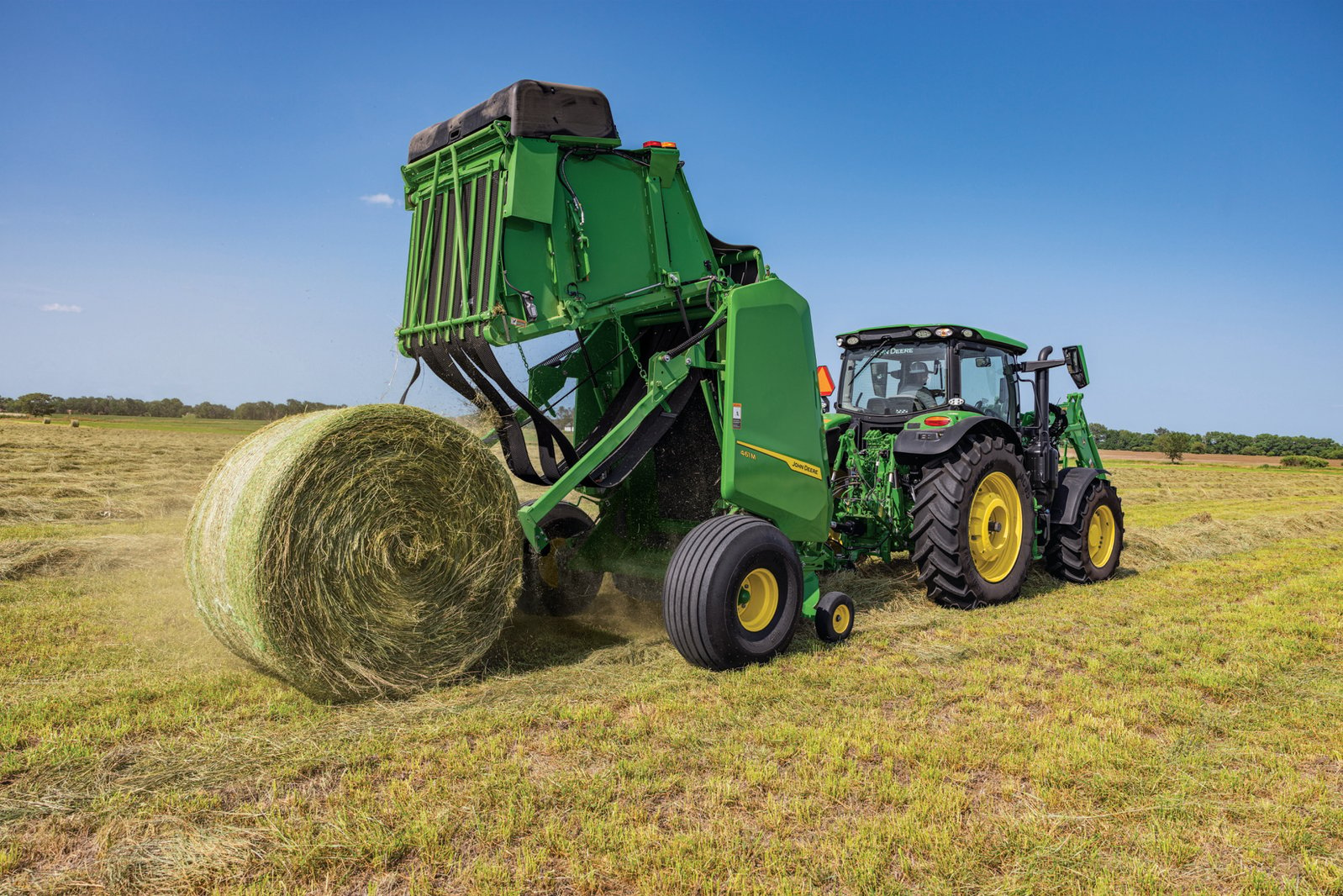
The rake is the cheapest line on the order and often the biggest payoff on legume-heavy stands, where raking is where leaf gets left behind. If the windrow is wider than your pickup or you are running two passes to feed the baler, the rake is the fix. The full mower-conditioner, rake, and baler lineup is a fair place to start narrowing.
Round balers in the order book: 1 Series, and how 560M vs 569 shakes out
The 1 Series is John Deere's high-capacity, dense-bale platform, built to turn out consistent, well-shaped bales sized to your operation. The base machine is tuned for dry hay, with a silage option available. If you feed your own and put up baleage, the Silage Special configuration on R Spec units is the one to spec, because it is built for wet hay from the start rather than adapted to it. That single call, dry versus wet, settles more of the order sheet than any other box.
Between the 560M and the 569, the practical questions are the bale size and density you are shooting for, how you wrap, and how each handles a heavy first cutting versus a thin third. We will not quote numbers from memory here; pull both spec sheets, compare them side by side, and let your hay type and acreage decide.
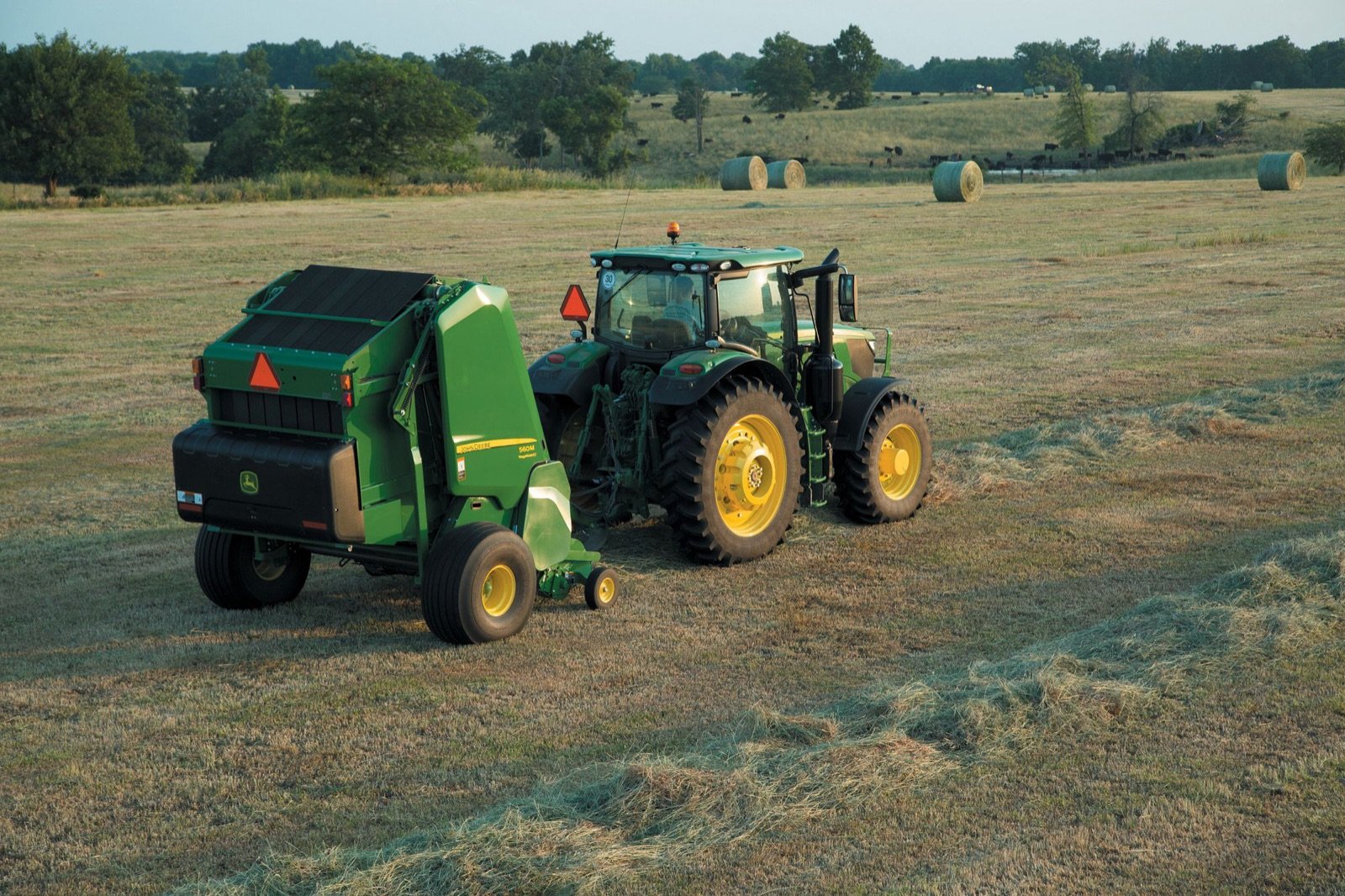
Spec the options you want at order time, from the wrap system to the monitor, and our team will confirm what is available on each model. Factory-fitted is simpler than bolting things on next June, and a built-to-order baler matches your hay type instead of whatever configuration happens to be on a lot.
Financing and the fall-to-winter overlap: what to ask for in November
John Deere tends to introduce new financing promotions in spring and fall, with offers available year round. What makes November different is the overlap: fall hay-equipment offers are typically still running while a round-baler bonus that in past years has carried into winter is also in play, so you price the mower-conditioner or rake under fall terms and confirm the baler bonus in the same conversation. Terms change, so confirm the live rate and program dates with us or John Deere Financial before you sign.
Walk in with four questions and do not leave without all four answers: the current rate and term on the machine you are ordering, whether a deferred payment can line up with when your hay checks arrive, the early-order deadline for that specific model, and the delivery month the order book will commit to. "Sometime in spring" is not an answer when first cutting is a few months out.
Have your trade appraised at the same sit-down, while the old baler is still clean and before it goes under a tarp. Ask our parts team about pre-season wear parts too, so belts, pickup teeth, and knives for both the new machine and the one you are keeping get ordered now, not the week before you cut.
The honest limit: an order is a commitment, and sometimes one more season is the right call
Signing an early order in November means committing before you know what next year's hay brings at the sale barn, what fuel costs at first cutting, or whether the windrow comes off dry or sits in the swath for a week. If your current baler or mower-conditioner has one more honest season in it, a pre-season look from our service team may be the better spend than a new payment. If the pickup, belts, and rollers check out, keep it and bale with it.
A factory order also follows build scheduling, not the date you signed. If the committed delivery month lands close to first cutting, keep the old machine until the new one is in the yard rather than trading early and gambling on the window.
Watch spec creep, too. A baler your tractor cannot handle on the hills you actually mow is a worse outcome than a well-matched smaller one. The rule we use at the counter: order now when the machine bottlenecked you last season, the financing has a deadline attached, and delivery is confirmed ahead of first cutting. Hold when the current unit is sound and the upgrade is mostly about newer paint.
Next step: bring your acres, cuttings, and tractor to a Koenig store this month
Call or walk into any of our stores across Indiana and Ohio and ask the ag salesperson to price a factory order under whatever early-order terms are running, with the four questions above in hand.
Bring three details. Your acres and how many cuttings you take in a normal year, because that sizes a mower-conditioner and sets realistic hours on a baler. Whether you put up dry hay, baleage, or both, since that decides if a Silage Special configuration belongs on the quote. And your tractor's horsepower and hydraulic setup, so nobody finds out at first cutting that the baler you ordered wants more remotes or more PTO than you have.
You can also see what is currently listed in our new equipment inventory. Listings move and nothing on that page is a promise, but it shows the spec levels we typically bring in, and comparing a factory build against a listing tells you which route gets you to first cutting with the fewest surprises.