Published: May 7, 2026
Updated: October 10, 2026
|
When something on your John Deere needs replacing, you have a choice to make: original equipment manufacturer (OEM) parts straight from John Deere, or aftermarket parts from a third-party supplier. The price difference can be significant, and the quality difference depends entirely on which part you are buying. There is no universal right answer, and anyone who tells you there is one is selling you something.
This post is the honest, practical guide we wish more buyers had access to. We will walk through which parts are worth paying OEM money for, which parts are perfectly fine in aftermarket form, and which parts fall in a gray area where it depends on your situation. The goal is to help you make a smart decision for your specific equipment and use case, not to push you toward one option over the other.
What Is the Difference Between OEM and Aftermarket Parts?
Before getting into specific recommendations, it helps to understand what you are actually choosing between.
OEM parts are made by John Deere or by a manufacturer contracted directly by John Deere to build that part to John Deere's specifications. They are the same parts that came on the equipment when it left the factory. Quality, materials, tolerances, and fit are guaranteed to match the original.
Aftermarket parts are made by independent manufacturers and designed to fit John Deere equipment. Quality varies enormously depending on the manufacturer. Some aftermarket parts are made by the same companies that supply OEM parts to John Deere and are essentially identical. Others are cheaper imitations that look right but use lower-grade materials or looser manufacturing tolerances.
There is also a third category: remanufactured (Reman) parts. These are OEM parts that have been rebuilt to factory specifications. John Deere's own Reman program is widely respected and offers significant savings over new OEM, with similar quality and a warranty.
Understanding these three options helps you make better decisions on each individual purchase rather than picking one philosophy and applying it to everything.
When to Buy OEM John Deere Parts
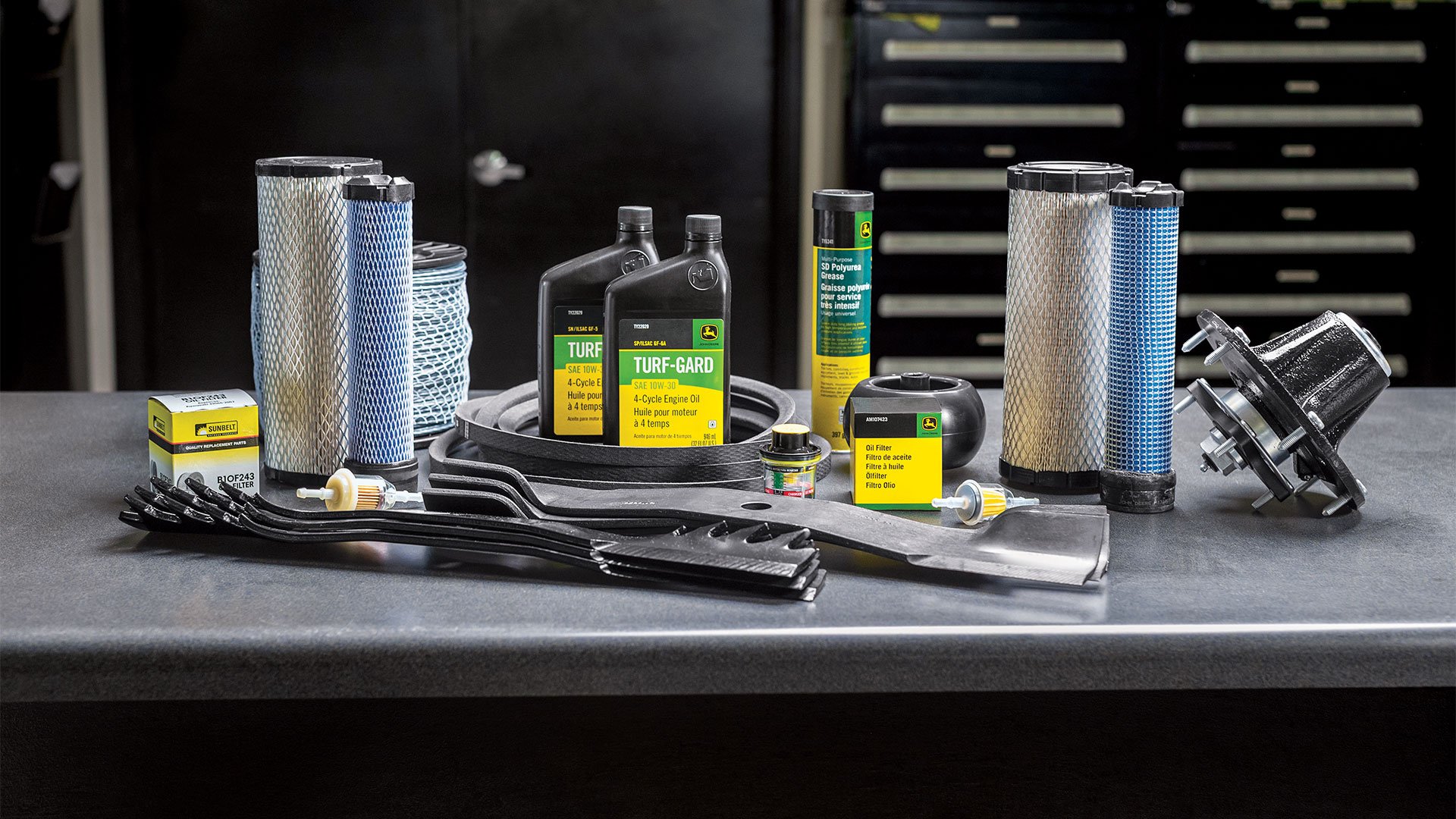
There are specific situations where OEM is genuinely worth the premium. Here is when we recommend it without hesitation.
Engine internals. Pistons, rings, gaskets, head bolts, valves, and crankshaft bearings. These parts operate under extreme heat and pressure, and a small variation in tolerances can lead to premature failure or catastrophic engine damage. The cost of a failed engine far exceeds any savings on aftermarket internal engine parts.
Hydraulic components. Cylinders, pumps, valve bodies, and hydraulic seals. Hydraulic systems run at thousands of PSI, and aftermarket seals or cylinders that are even slightly off-spec can leak, fail, or contaminate the entire system. We have seen aftermarket hydraulic seals fail within months of installation. OEM hydraulic parts are worth every dollar of the premium.
Electronic and electrical components. Sensors, displays, controllers, wiring harnesses, and ECUs. Modern John Deere equipment relies on increasingly sophisticated electronics, and aftermarket alternatives often do not communicate properly with the rest of the machine's systems. Compatibility issues with electronics can be frustrating to diagnose and expensive to resolve.
Drivetrain components. Transmissions, differentials, and final drives. Like engines, these are high-cost, hard-to-access components where saving a few hundred dollars on aftermarket parts is not worth the risk of premature failure.
Equipment under warranty. If your John Deere is still under warranty, using non-OEM parts in critical systems can void the warranty for that system. Read your warranty documentation carefully. For most warranty work, OEM parts are required.
Resale value matters. If you plan to sell the machine within a few years, having a service history that shows OEM parts throughout typically supports a higher resale price than equipment that has been maintained with aftermarket components.
When Aftermarket John Deere Parts Are a Smart Choice
Here is where aftermarket can save you real money without compromising your equipment.
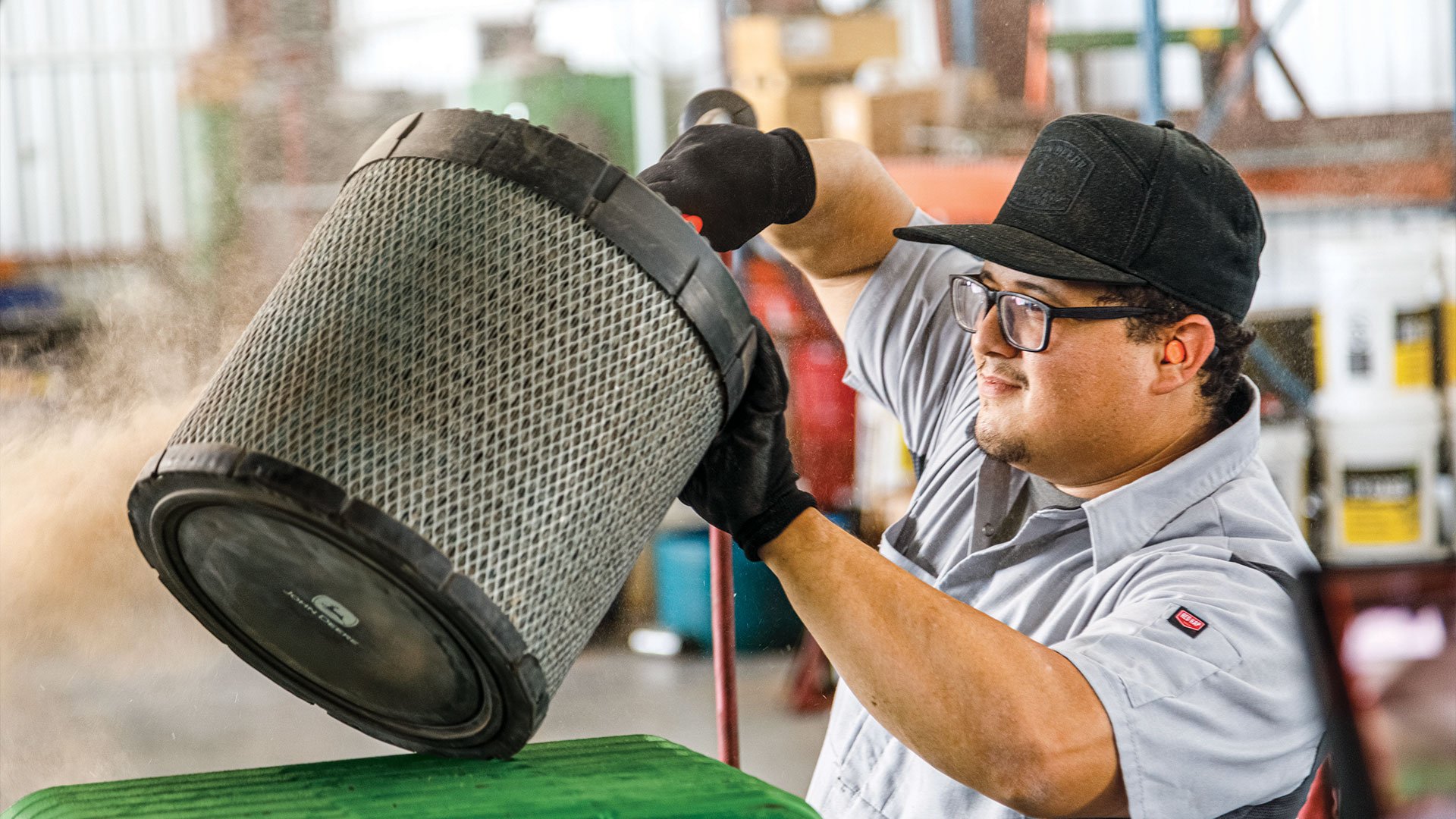
Wear parts. Blades, sickles, cutting edges, sweeps, knives, shears, and similar consumable items that wear out as part of normal operation. These are designed to be replaced regularly, the engineering is straightforward, and quality aftermarket alternatives are widely available at meaningful savings. Many aftermarket wear parts are made by the same suppliers John Deere uses for OEM versions.
Air filters. Air filtration is a mature technology, and quality aftermarket filters from reputable brands like Donaldson, Baldwin, or WIX perform identically to OEM filters. The air filter is a regularly replaced consumable, and aftermarket filters are typically 30 to 50 percent less expensive.
Belts. Drive belts and deck belts are another area where quality aftermarket options exist. Brands like Gates and Goodyear make belts that are equivalent to OEM in performance and durability. The key is buying from a reputable brand, not the cheapest unbranded belt you can find on a marketplace listing.
Bearings and bushings. Standard bearings and bushings (not specialty hydraulic or transmission bearings) are commodity items. Quality aftermarket options from major bearing manufacturers like Timken or SKF are perfectly acceptable.
Tires. Tires are not typically branded as John Deere OEM in the way other parts are. The tires that came on your machine were made by Firestone, Goodyear, BKT, or Carlisle, depending on the model and year. Replacement tires from the same manufacturers are essentially identical to what came stock.
Tractor implement wear parts. Plow shares, disc blades, cultivator sweeps, and similar replaceable wear items on rear implements typically come from third-party manufacturers and rarely benefit from OEM-specific options.
What Are the Best Aftermarket John Deere Parts?
This is one of the most-searched questions about aftermarket parts, so let us address it directly. Quality aftermarket parts come from established manufacturers with a track record. Here are the brands we generally trust:
- Donaldson, Baldwin, WIX: Filters (air, oil, fuel, hydraulic)
- Gates, Goodyear, Continental: Belts and hoses
- Timken, SKF, NTN: Bearings
- Stens: A broad range of small engine and lawn equipment parts
- A&I Products: Aftermarket parts specifically targeting agricultural equipment
The brands to be cautious of are unbranded or generic parts sold at significantly below-market prices on online marketplaces. If a part is priced 70 percent below the equivalent OEM part with no recognizable brand name, there is usually a reason. Quality aftermarket parts are typically 20 to 50 percent less than OEM, not 80 percent less.
When in doubt, ask the parts counter at Koenig Equipment. We carry both OEM and aftermarket lines, and our team can tell you honestly which option makes more sense for the specific part you need.
What About Remanufactured (Reman) Parts?
Reman parts deserve their own conversation because they are often overlooked. John Deere Reman is a factory program that rebuilds OEM parts to original specifications and offers them at a meaningful discount compared to new OEM.
Common Reman parts include: - Starters and alternators - Fuel injection pumps and injectors - Turbochargers - Hydraulic pumps and motors - Transmissions and final drives
Reman parts come with a John Deere warranty and are functionally equivalent to new OEM parts. The savings are typically 20 to 40 percent compared to buying new. For higher-cost components like fuel injection pumps and turbos, the savings can be significant. We almost always recommend considering Reman before going aftermarket on these higher-value components.
Are Aftermarket Parts Compatible with John Deere Equipment?
In most cases, yes. Reputable aftermarket manufacturers list specific John Deere model compatibility on their parts. The key word is "reputable." Generic listings that claim to fit dozens of different models are often the parts that cause compatibility issues.
A few things to watch for:
Cross-reference numbers. Quality aftermarket suppliers list the John Deere OEM part number that their part replaces. If the aftermarket listing does not include the OEM cross-reference, that is a warning sign.
Year and model specifics. John Deere occasionally changes specifications mid-year or between model years. An aftermarket part listed as compatible with a 1025R may not specify which production year, and there are documented cases of fitment issues on transition-year machines.
Sensor and electronic interfaces. Even if a sensor is physically interchangeable, the data signature it sends back to the tractor's ECU may not match. This causes error codes and can disable functions you depend on. For electronic parts, OEM is almost always the right call.
If you are unsure about compatibility, the parts counter at Koenig can verify before you order. This kind of verification is part of why buying parts from a dealer rather than an online marketplace pays off in the long run. Have your serial number ready: our John Deere serial number lookup guide shows where to find it and how to read it.
How Much Can You Actually Save with Aftermarket?
Specific savings depend on the part, but here are realistic ranges:
| Part Category | Typical Aftermarket Savings vs OEM |
|---|---|
| Filters | 30 to 50 percent |
| Belts | 25 to 45 percent |
| Wear parts (blades, sweeps) | 20 to 40 percent |
| Bearings (standard) | 15 to 35 percent |
| Tires | 0 to 20 percent |
| Engine internals | Risky, even when cheap |
| Hydraulic components | Risky, even when cheap |
| Electronics | Often will not work properly |
The math gets interesting when you look at total cost of ownership. Saving $400 on an aftermarket hydraulic pump that fails in 18 months costs you the original $400 plus the labor to replace it twice plus the downtime when the second one fails. The OEM part that costs $1,200 and lasts 15 years is genuinely cheaper. This is the calculation worth running before you decide.
How Koenig Equipment Helps You Decide
The honest position we take at Koenig is that the right part for your situation is not always the most expensive part on the shelf. We carry OEM, John Deere Reman, and quality aftermarket parts across our locations in Ohio and Indiana. When you call or stop by the parts counter, our team can walk you through the options for your specific repair.
If you are doing a routine oil and filter change on a residential mower, we are not going to push you toward the most expensive filter on the shelf. If you are rebuilding a hydraulic cylinder on a row-crop tractor, we are going to recommend OEM and explain why. The recommendation depends on the part, the equipment, and how you use it.
For online ordering, our Parts In A Snap system at koenigequipment.com lets you order parts and pick them up at your nearest location. Whether you choose OEM or aftermarket, the order process is simple, and our parts team verifies compatibility before you commit.
The Bottom Line on OEM vs Aftermarket
If you take one thing away from this post, make it this: think about each part individually rather than applying a one-size-fits-all rule. OEM is worth the premium for engine internals, hydraulics, electronics, and drivetrain components. Aftermarket is a smart choice for filters, belts, wear parts, and standard bearings when you buy from reputable brands. Reman parts are the smart middle ground for higher-value components where you want OEM quality at a lower price point.
The savings on aftermarket parts are real, but only when you choose the right parts for the right applications. A $20 air filter from a quality brand is just as good as a $35 OEM filter. A $50 aftermarket hydraulic seal that fails in six months is not a savings at all.
If you want a second opinion on a specific part, call any of our Koenig Equipment locations. Our parts team handles dozens of these conversations every day, and we can tell you what we would do if it was our own equipment.
Find parts for your 1025R
Shop genuine John Deere parts that fit the 1025R at Koenig Marketplace — search by your exact model to see what fits.
See how the 1025R compares
Weighing your options? Koenig has side-by-side spec comparisons for the equipment we sell: