Published: April 16, 2026
Updated: October 12, 2026
|
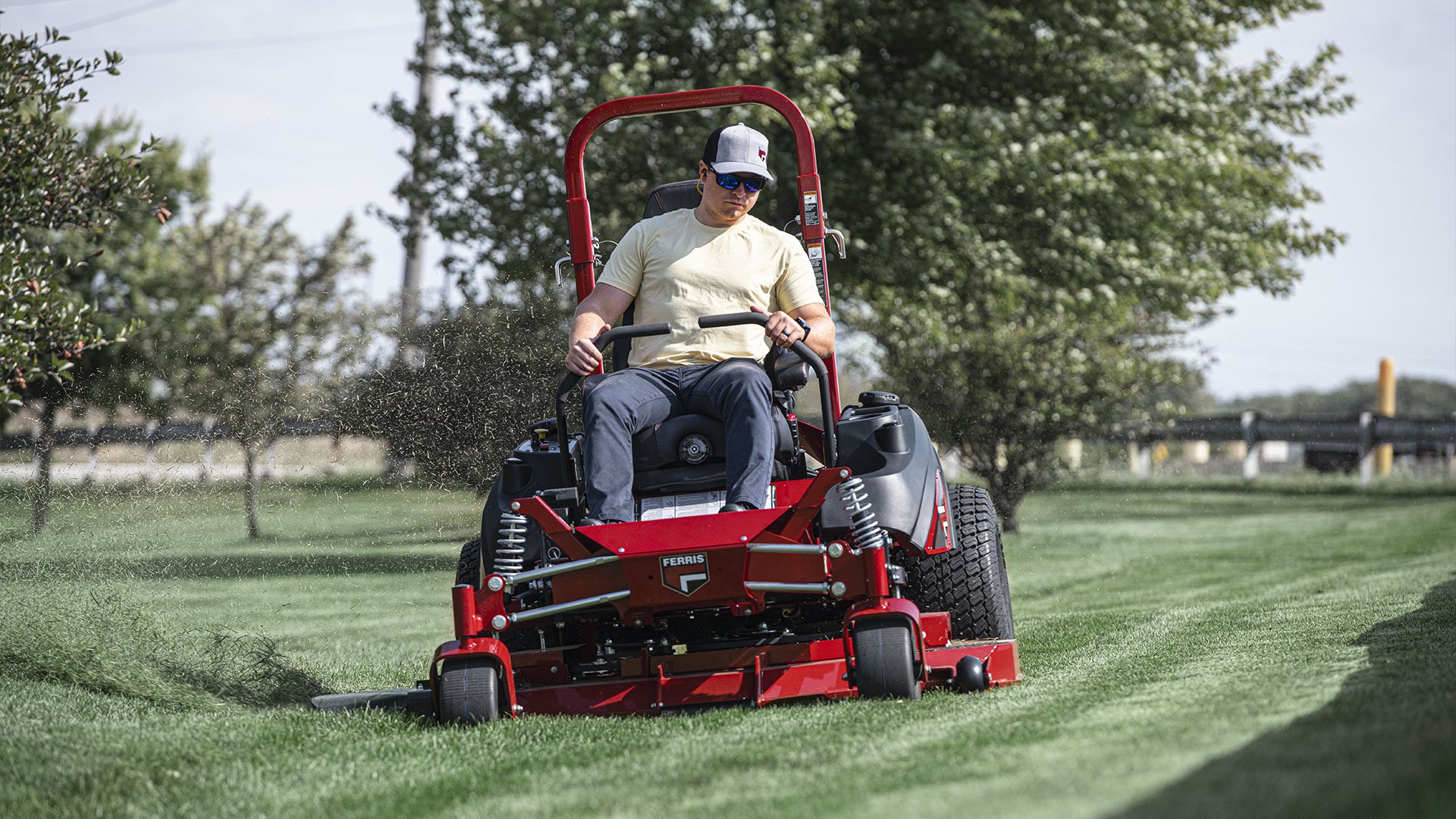
Ferris zero turn mowers are made by Briggs and Stratton, which has owned the brand since 2004. Ferris is not going out of business: the mowers are still being built, and we still sell, service, and stock parts for them at our stores across Indiana and Ohio. Are they good? Yes, with one trade-off. The brand has built its reputation around a single core differentiator: suspension. While most zero turn mowers bolt the seat directly to the frame, Ferris puts an independent suspension system between you and the ground. That sounds like a marketing line until you ride one across uneven terrain for 45 minutes and realize you are not sore afterward. The trade-off is that you pay more for it.
Suspension alone does not make a buying decision. Ferris sells a wide range of zero turn mowers, from the entry-level 300S through commercial machines like the ISX 3300, and the right model depends entirely on your property, your workload, and your budget. This post walks through the full lineup so you can see where each model fits, then compares Ferris to Gravely.
Is Ferris a Good Mower? Who Makes It?
Ferris is owned by Briggs and Stratton, which acquired the brand through its purchase of Ferris parent company in 2004. Today, Ferris shares some engineering and manufacturing resources with other Briggs and Stratton brands, but the mower designs and suspension technology remain distinct to Ferris. If you have seen the question "is Ferris going out of business," the practical answer is no: new machines keep arriving at our stores, and parts and warranty support continue as normal.
The reputation among commercial landscapers is strong. Ferris has a loyal following among professionals who mow all day and need a machine that does not beat them up. The suspension system is the primary reason for that loyalty, and it is a genuine engineering advantage rather than a marketing gimmick.
For residential buyers, Ferris makes excellent mowers that are often built to a higher standard than what you would find at a big-box store. The trade-off is price: Ferris mowers tend to cost more than comparable mowers from brands that do not include suspension. Whether that premium is worth it depends on how much time you spend on the mower and how rough your terrain is. If your lawn is flat and you are done in half an hour, you may not need it.
The Ferris Lineup: Every Model Explained
Ferris organizes its zero turn lineup from residential through commercial. Here is how each model fits.
Ferris 300S: The Entry Point
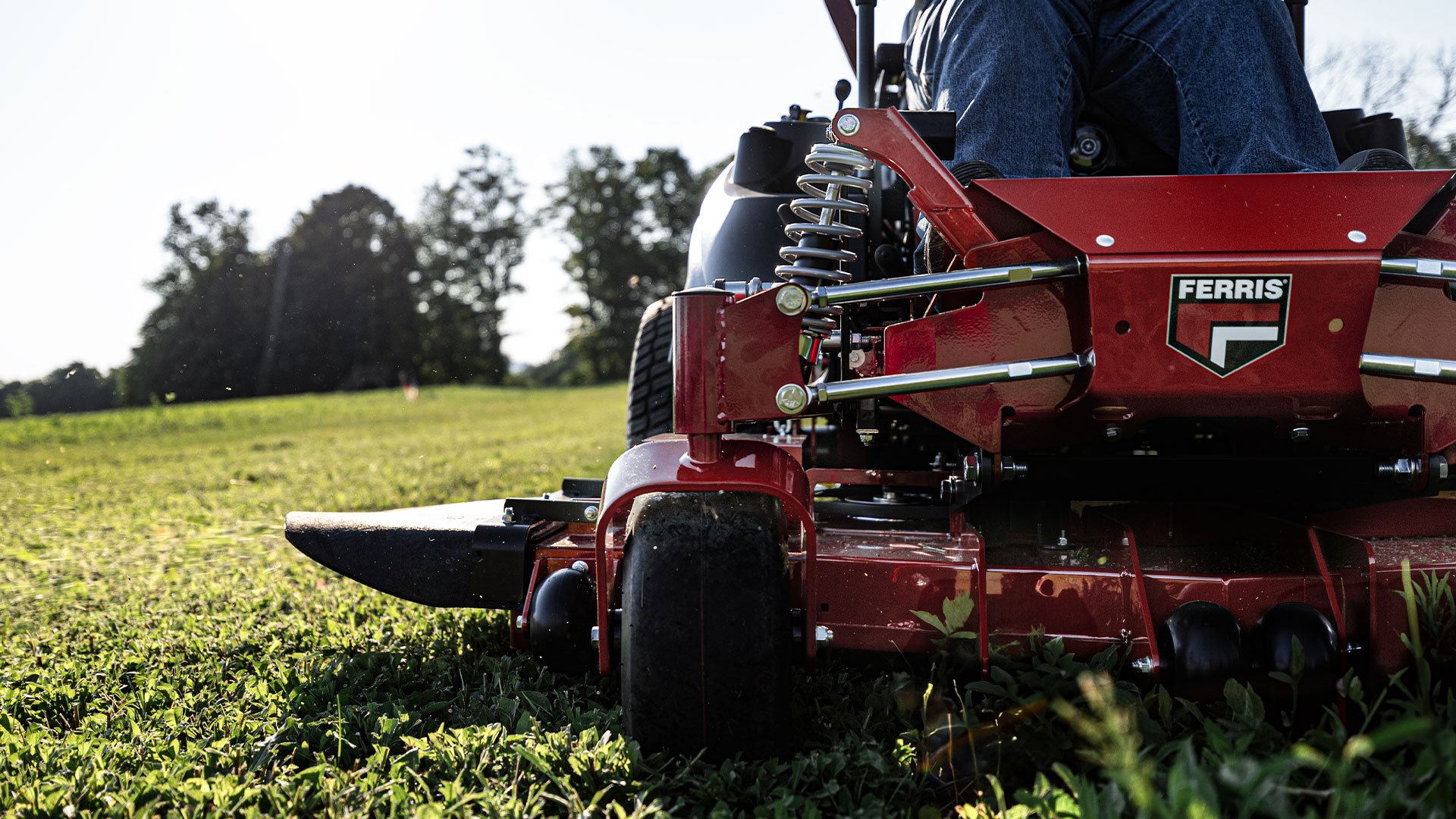
The 300S is the most affordable Ferris zero turn and the starting point for homeowners who want the Ferris suspension experience without the commercial price tag. It comes with a coil-over-shock suspension system on the front casters and a suspended operator platform.
Available in 48- and 52-inch deck widths, the 300S is powered by a Briggs and Stratton Commercial Series engine. It handles properties from one to three acres comfortably and is well-suited for suburban and rural residential mowing.
At Koenig Equipment, the 300S is the model we recommend most often for homeowners who have tried a standard zero turn and want a more comfortable ride.
Ferris 500S: The Step Up
The 500S adds more suspension travel and a more capable drive system compared to the 300S. The key upgrade is the full coil-over-shock suspension on both front and rear, which gives the 500S a noticeably smoother ride on uneven ground.
Available in 48-, 52-, and 61-inch deck widths with Kawasaki or Briggs engine options, the 500S is built for properties from two to five acres. It bridges the gap between residential and light commercial use, and many landscaping businesses that handle primarily residential accounts choose the 500S as their daily driver.
Ferris 300S vs 500S: Which Should You Buy?
The price step from the 300S to the 500S is meaningful, and it varies with deck width and engine. The 300S suspends the front casters and the operator platform; the 500S suspends front and rear. If your property is under three acres and mostly level, the 300S gives you the Ferris ride at the lowest cost. If you have significant terrain variation, mow more than two acres regularly, or want the 61-inch deck, the extra suspension travel and larger engine options on the 500S are worth the step up.
Ferris 600: Mid-Range Performance
The 600 sits between the residential-focused models and the full commercial lineup. It uses the same independent suspension system as the higher-end machines but at a more accessible price point than the ISX series.
Available in 48-, 52-, and 61-inch decks, the 600 is powered by Kawasaki FR or FX series engines depending on configuration. It is a strong choice for property owners with three to seven acres who want commercial-grade durability without the commercial-grade price.
The 600 is often overlooked because it sits in the middle of the lineup, but for many Ohio and Indiana property owners with moderate acreage and varied terrain, it represents the best balance of price, comfort, and capability.
Ferris 700: Commercial Capable
The 700 is the first model in the lineup that Ferris builds specifically with commercial operators in mind. The frame is heavier, the hydraulic system is more robust, and the deck construction is built to handle daily commercial use.
Available in 52- and 61-inch deck widths with Kawasaki FX engines, the 700 is designed for landscaping businesses and property managers who need a reliable machine that can handle six to eight hours of continuous operation.
At Koenig, the 700 is a popular choice for landscaping companies in our area that run two or three mowers on a trailer. It is capable enough for full-time commercial work but not as heavy or expensive as the ISX machines.
Ferris ISX 800: Full Suspension Commercial
The ISX 800 is where the Ferris suspension system reaches its full potential. This model uses the ForeFront Suspension System on the front casters and an integrated rear suspension, providing the smoothest ride in the zero turn market at this price point.
Available in 52- and 61-inch decks with Kawasaki or Briggs Vanguard engines, the ISX 800 is built for commercial landscapers who prioritize operator comfort during long days. The suspension noticeably reduces fatigue, which matters when you are on the machine for six or more hours.
Ferris ISX 2200: The Commercial Workhorse
The ISX 2200 is one of the most popular commercial Ferris models and a machine that professional landscapers across the country rely on daily. It features the full ForeFront Suspension, a heavy-duty fabricated deck (available in 52-, 61-, and 72-inch widths), and engine options that include the Kawasaki FX and Briggs Vanguard Big Block.
This is the machine for landscaping businesses that want Ferris suspension in a proven, heavy-duty package. The 72-inch deck option makes it particularly appealing for larger commercial properties and municipal grounds crews.
Ferris ISX 3300: Top of the Line
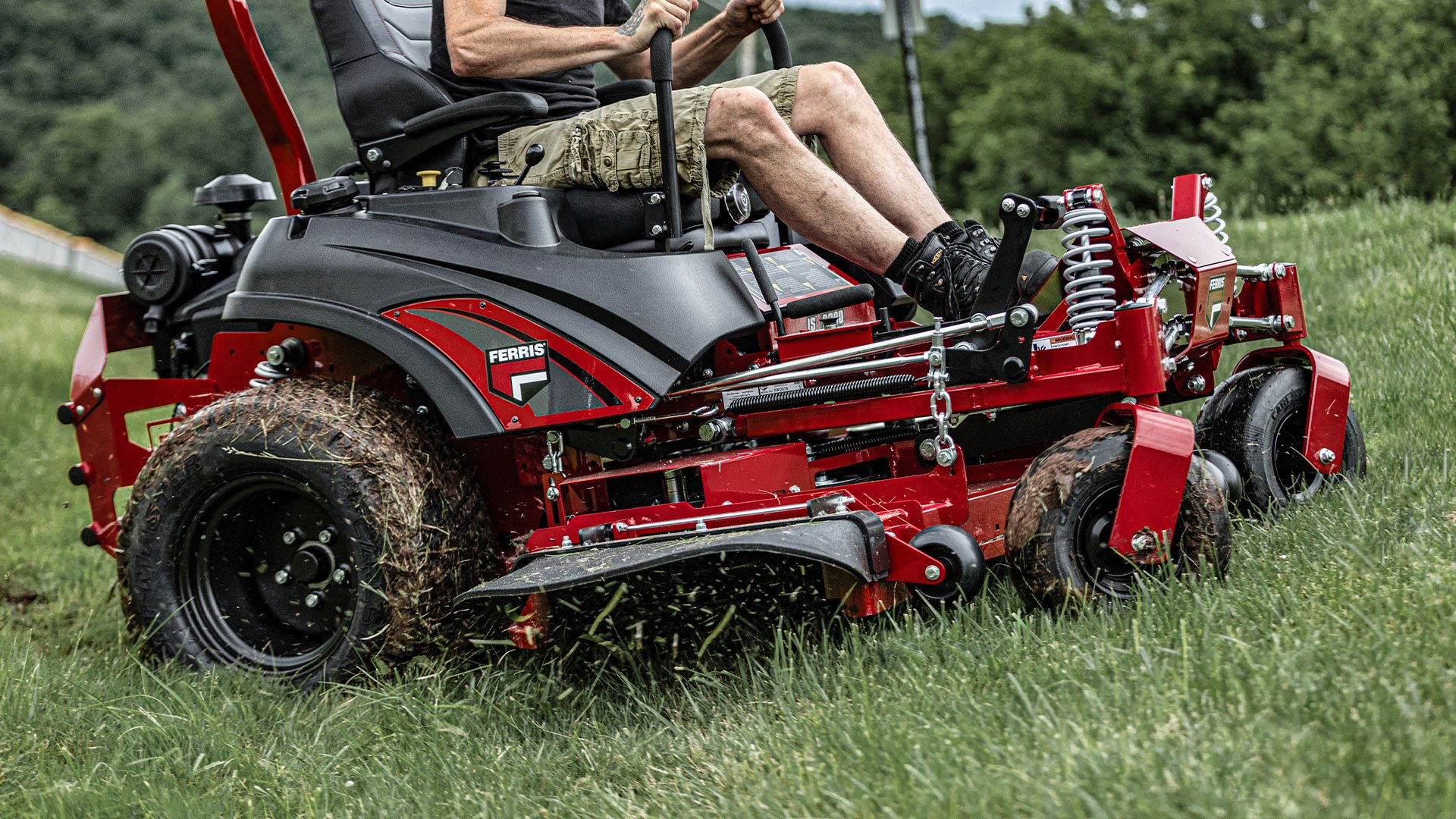
The ISX 3300 is the flagship. It runs a Vanguard Big Block EFI engine with up to 40 horsepower, features the most advanced suspension in the lineup, and offers deck widths up to 72 inches. This is the machine for high-volume commercial operations that demand maximum productivity and operator comfort.
The ISX 3300 is a serious investment, and it is designed for operations that will put thousands of hours on the machine. For most residential buyers and smaller landscaping businesses, the ISX 2200 or the 700 will handle the work at a lower price point. The ISX 3300 earns its place on large commercial crews and municipal fleets.
Ferris vs Gravely: How Do They Compare?
This is the comparison we hear most often at Koenig Equipment, since we carry both brands. Here is an honest look at how they stack up.
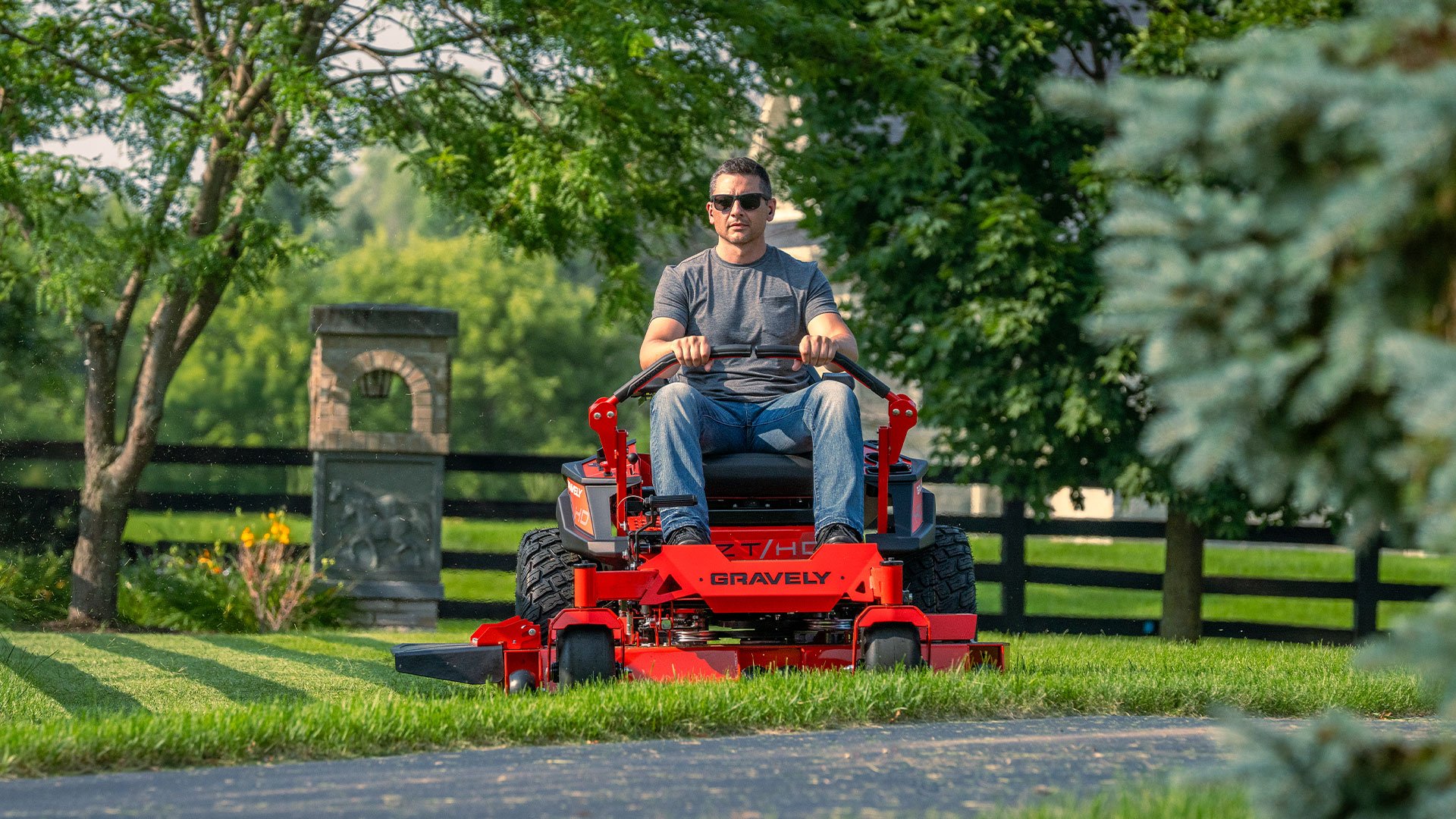
Ride comfort: Ferris wins this category by a clear margin. The independent suspension system provides a noticeably smoother ride than the Gravely ZT HD or Pro-Turn, which use standard rigid frame designs. If you mow for extended periods on rough terrain, the Ferris suspension is a meaningful advantage.
Cut quality: Both brands cut well. The Ferris fabricated decks on the 500S and above deliver excellent cut quality, and the Gravely ZT HD's fabricated deck is equally capable. Neither brand has a consistent edge in this category across all conditions.
Build quality: Both are solidly built. Ferris tends to use heavier-gauge steel in the higher-end models, while Gravely focuses on simplicity and serviceability. For commercial use, both hold up well.
Price: Gravely is typically less expensive at comparable specs. The ZT HD offers strong value for residential buyers. Ferris commands a premium for the suspension system, which is justified if ride comfort matters to you but adds cost that some buyers may not need.
Dealer support: Koenig Equipment sells and services both brands at our stores across Indiana and Ohio. Parts availability and service expertise are equivalent for both. That local support is one of the biggest advantages of buying either brand from a dealer rather than online.
The practical recommendation: if you mow for more than an hour at a time on uneven ground, test-ride a Ferris with suspension before making your decision. If you are mowing a relatively flat, smooth property for 30 to 45 minutes, the Gravely ZT HD delivers similar cut quality at a lower price.
How Much Do Ferris Zero Turn Mowers Cost?
Pricing varies by model, deck width, and engine, and it moves with manufacturer programs, so we do not publish fixed price ranges here. The 300S is the lowest cost of entry, the ISX 3300 is the top of the lineup, and each step between them adds suspension travel, engine size, and deck options. The most accurate number is a quote from your nearest store on the exact configuration you want.
Ferris periodically offers rebate programs, and Koenig Equipment may have additional dealer incentives available depending on the time of year. Spring is typically the best time to buy, as both manufacturer rebates and dealer inventory are at their peak. Whatever is running right now is on our current offers page.
Stand-On Mowers: The SRS Z1 and SRS Z2
Ferris also builds stand-on mowers for commercial operators who prefer a standing position. The SRS Z1 and SRS Z2 are compact, maneuverable machines designed for crews that need to get on and off the mower frequently throughout the day.
Stand-on mowers are not for every application, but for commercial operators who work tight residential lots with frequent stops for trimming and edging, they can be more efficient than a sit-down zero turn. Both models include Ferris suspension technology adapted for the standing platform.
Warranty and Maintenance: What to Know
Ferris backs its residential models with a limited warranty that covers the frame, engine, and major components. Commercial models carry a separate warranty structure designed for the higher-hour usage that professional operators put on a machine.
The suspension system, which is the primary reason most people buy a Ferris, is covered under the standard warranty. Suspension components do wear over time, particularly the shocks and bushings, and replacement parts are readily available through authorized dealers like Koenig Equipment. For most residential users, the suspension components last several years before needing attention. Commercial operators may need to inspect and replace shocks more frequently depending on terrain and hours.
Day-to-day maintenance on a Ferris is similar to any zero turn mower: engine oil changes, blade sharpening, air filter replacement, belt inspection, and tire pressure checks. The suspension adds one item to the checklist: periodic inspection of the shock absorbers and pivot points. This takes a few minutes and is easy to fold into a normal pre-season or mid-season service.
Our service team can handle warranty work and routine maintenance on all Ferris models, and you can schedule service online. We stock common wear parts and filters across our stores, so you are not waiting on a special order for a standard service item.
Come See the Lineup in Person
The best way to understand the Ferris suspension advantage is to ride one. Stop by any of our stores across Indiana and Ohio and we can put you on a 300S or 500S to feel the difference. If you are a commercial operator, we can walk you through the ISX series and help you spec the right machine for your crew size and workload.
Mower inventory is fullest in spring, and that is also when manufacturer rebates are most likely to be running. If a Ferris is on your list, call or text your nearest store and we will tell you what is on the lot and what it would cost to put one in your trailer.