Published: July 19, 2026
Updated: October 22, 2026
|
John Deere financing runs through John Deere Financial, and the rates work differently than a bank loan. Instead of one posted interest rate, John Deere Financial offers rotating promotional programs by equipment type: often 0% APR for a set number of months, sometimes cash off the price instead, and sometimes both on the same machine. Programs change on a regular cadence, vary by model, and are subject to credit approval. The programs live right now for our stores across Indiana and Ohio are on our current offers page.
If you have ever walked out of a dealer conversation wondering whether you should have taken the 0% instead of the cash back, or whether your trade-in got the credit it deserved, this is the post we would sit down at a table and go through with you. John Deere Financial runs a small number of program types that rotate on a predictable schedule. Once you understand the three levers below, the numbers on the table make sense, and you can tell the difference between a program worth chasing and one you can wait out.
The three ways John Deere Financial can save you money, and how they stack
The first thing to understand is that "the financing" is not one thing. It is three separate savings levers that sometimes stack and sometimes have to be chosen between.
Lever 1: The interest rate
John Deere Financial routinely runs 0% APR promotions on equipment purchases for a fixed term, commonly several years. Measured against a conventional loan on the same money, a 0% program over the full term is worth the entire interest bill you would otherwise pay. On most tractors it is the single biggest lever.
Lever 2: Cash back or price discount
Separately, many purchases qualify for either a rebate applied at the register or a direct discount on the invoice. On compact and utility tractors, cash off is frequently stackable with a 0% program when you finance through John Deere Financial. Whether a given model stacks both or makes you choose is the first thing to check on the current offers page, because the answer changes with each program refresh.
Lever 3: Trade-in value
The value of your current equipment against the new machine. Trade-in credit is negotiated separately from the financing and cash-back programs, and dealer-side flexibility on trade-in is where a lot of the total-savings picture lives.
When people ask us "which is the best deal right now?" the honest answer is "the one where all three levers stack for the machine you actually need." A big cash back on a machine you would not otherwise buy is not savings. A 0% rate on the exact machine you were going to buy anyway is.
0% APR versus cash back: how to run the real math
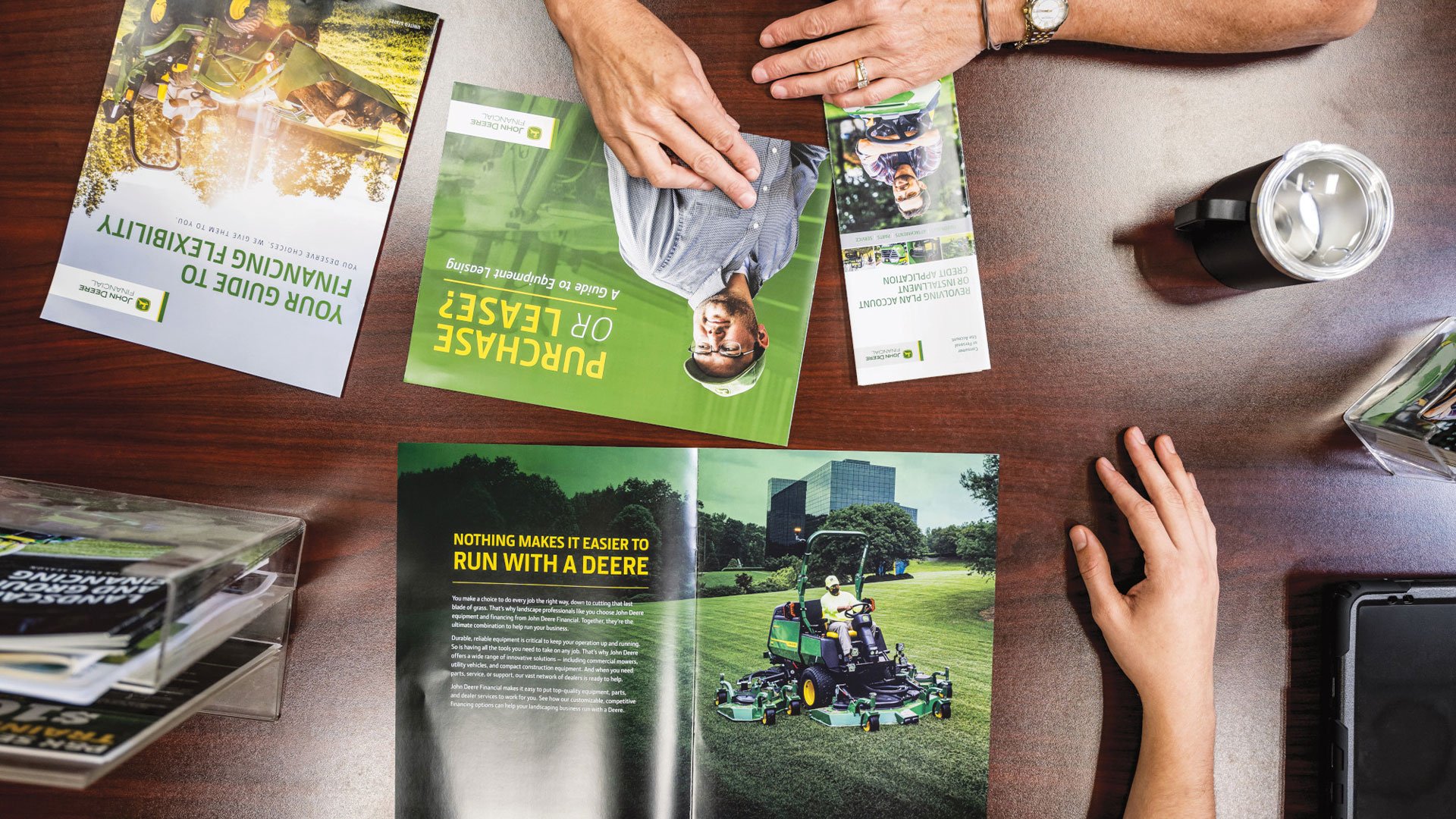
The question we get most often, and the one where the answer is genuinely case-by-case: should I take the 0% APR, or the cash back if the machine offers both, or the cash back plus a different rate?
The clean way to think about it is opportunity cost. Zero% financing is worth the interest you would otherwise pay on that borrowed money. Cash back is worth its face value the moment you take it. So take the amount you would finance, the term you would run, and the alternative rate on the cash-back offer, and total the interest over the full term. If that interest number is bigger than the cash back, the 0% wins. If the cash back is bigger, take the cash.
Two patterns fall out of that. When the alternative rate is close to zero, the interest gap is small and a sizable cash back usually wins. When the alternative rate is a normal loan rate and the term is long, the 0% usually wins by a wide margin. The other angle is how you plan to pay: if you expect to pay the loan off early, cash back at any rate usually wins because the interest savings disappear the moment you retire the loan. If you plan to pay it out over the full term, the 0% usually wins.
We can pencil the actual math on your specific machine and specific trade-in in about five minutes. It is worth doing before you sign.
Which John Deere equipment gets financing programs, and where the current rates are
John Deere Financial refreshes program eligibility, rates, and cash-back amounts on a regular cycle, roughly quarterly. The categories that usually carry a program at any given time: compact and utility tractors, row-crop tractors, zero-turn mowers, compact track loaders and skid steers (often tied to qualifying contractor accounts), compact excavators, round balers, and Gator utility vehicles. The exact rate, term, and cash-back amount per model changes with every refresh, which is why we do not print them here. The offers page is the one we keep current.
Used equipment is financed too. John Deere Financial covers both new and used, though terms and interest rates differ, and used programs are typically shorter and less promotional than the new-equipment headline rates. Special promotions on select used units do come around; ask us which machines on the lot currently carry one before you assume used means paying full rate.
If the machine you want is not on the current list, waiting for the next refresh to see if it moves into a stronger program is sometimes the right call. Sometimes it is not. If it is on the list, the case for buying before that program ends is stronger than usual. Whether to buy now or wait is something our sales team will talk through with you honestly, including telling you to wait.
Multi-Use Account and Revolving Plan: the parts and service side
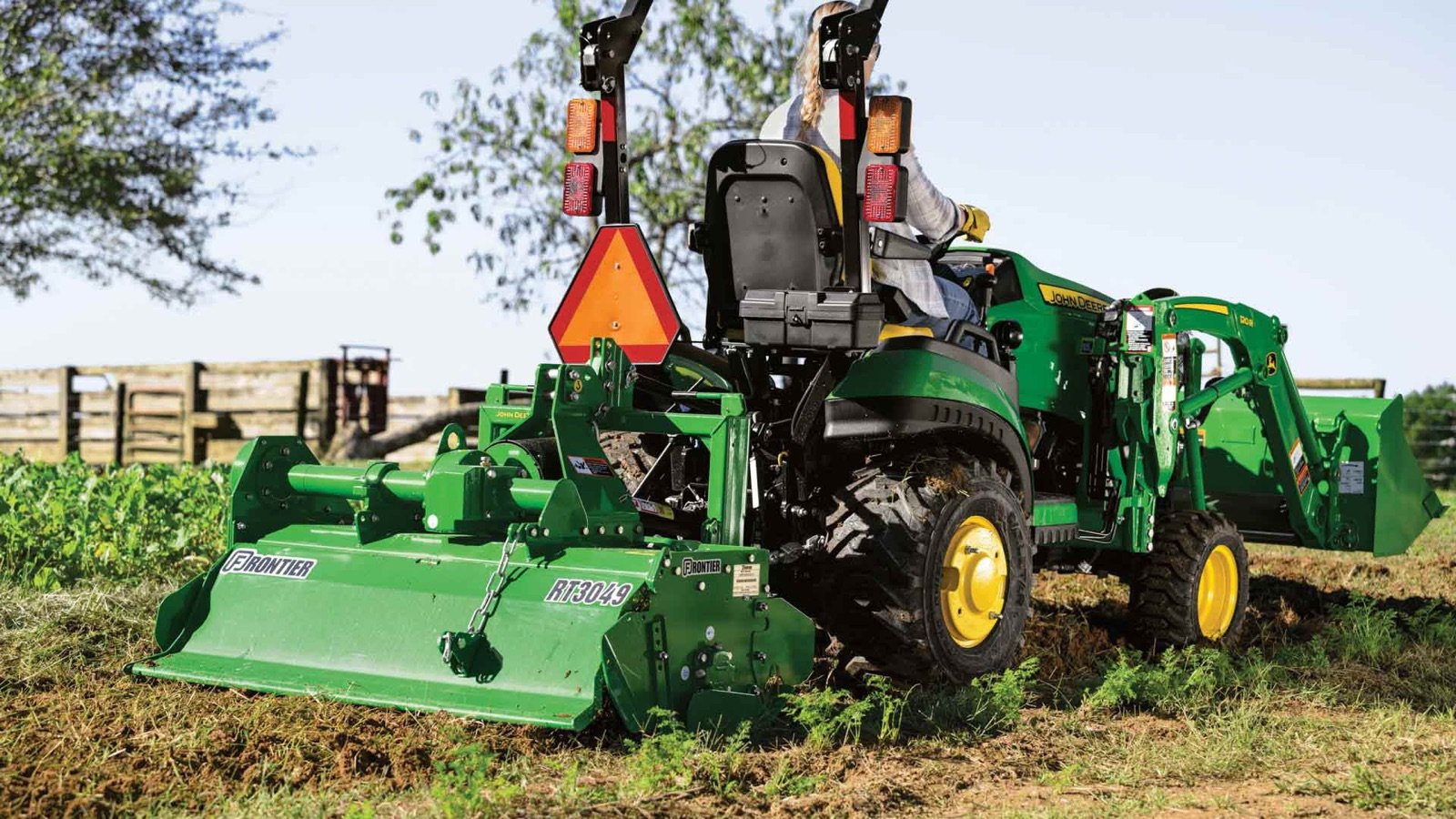
There is a second half of the John Deere Financial world that most equipment buyers only find out about after they buy their first tractor. The Multi-Use Account is a revolving credit line specifically for parts, service, attachments, and small purchases at Koenig Equipment.
The two most useful features:
- Preferred rate periods. John Deere Financial runs promotional periods on the Multi-Use Account where large parts orders or scheduled service qualify for reduced-rate or deferred-payment financing. When we mention "harvest terms" or "spring terms" in the parts department, this is what we are talking about.
- Line-of-credit convenience. The Multi-Use Account lets you charge parts, service work, and small attachments without a separate credit application each time. For working farms and contractor accounts, that beats paying a separate invoice for every parts run.
If you are financing a machine and not also setting up a Multi-Use Account, you are leaving a meaningful piece of the total ownership convenience on the table. We can set both up in the same visit.
Lease versus finance: when leasing John Deere equipment makes sense
Leasing is a legitimate option for a smaller subset of buyers than sales teams tend to promote. The honest breakdown:
Leasing is often the right choice for:
-
Commercial operations that turn over equipment every 3 to 5 years anyway and want tax-favorable predictable payments
-
Buyers who value fixed monthly costs and want to hand the machine back at term end
-
Operations where the tax treatment of a lease payment as an operating expense is meaningfully better than the depreciation schedule on an owned machine
Financing to own is usually the right choice for:
-
Rural landowners and farms that plan to run a tractor for 10, 15, or 20 years, well past any lease term. John Deere equipment holds its value well, and these buyers almost always come out ahead by owning
-
Working operations with predictable use that will not exceed lease hour limits
-
Anyone who wants the equipment to have residual value they can trade in
Our team can pencil both structures on the same machine so you can compare monthly payment against long-term ownership cost side by side.
What to bring to the financing conversation
-
A clear picture of the machine you are actually buying. Model, configuration, must-have options. The financing math is not portable across model families.
-
Your trade-in details. Model, hours, condition, any recent service. We can pre-appraise trade-ins with photos and an hours-and-condition summary.
-
Your rough budget target. Not the exact payment you must hit, but the range that would make this feel like a good decision. Knowing your target lets us pencil the right combination of down payment, term, and program.
-
Whether you value monthly payment predictability (favors longer terms and 0% programs) or total-cost minimization (favors shorter terms and stronger cash-back plays).
-
Any timing pressures on your end. If a specific job or growing season requires the machine by a certain date, we want to build backwards from that.
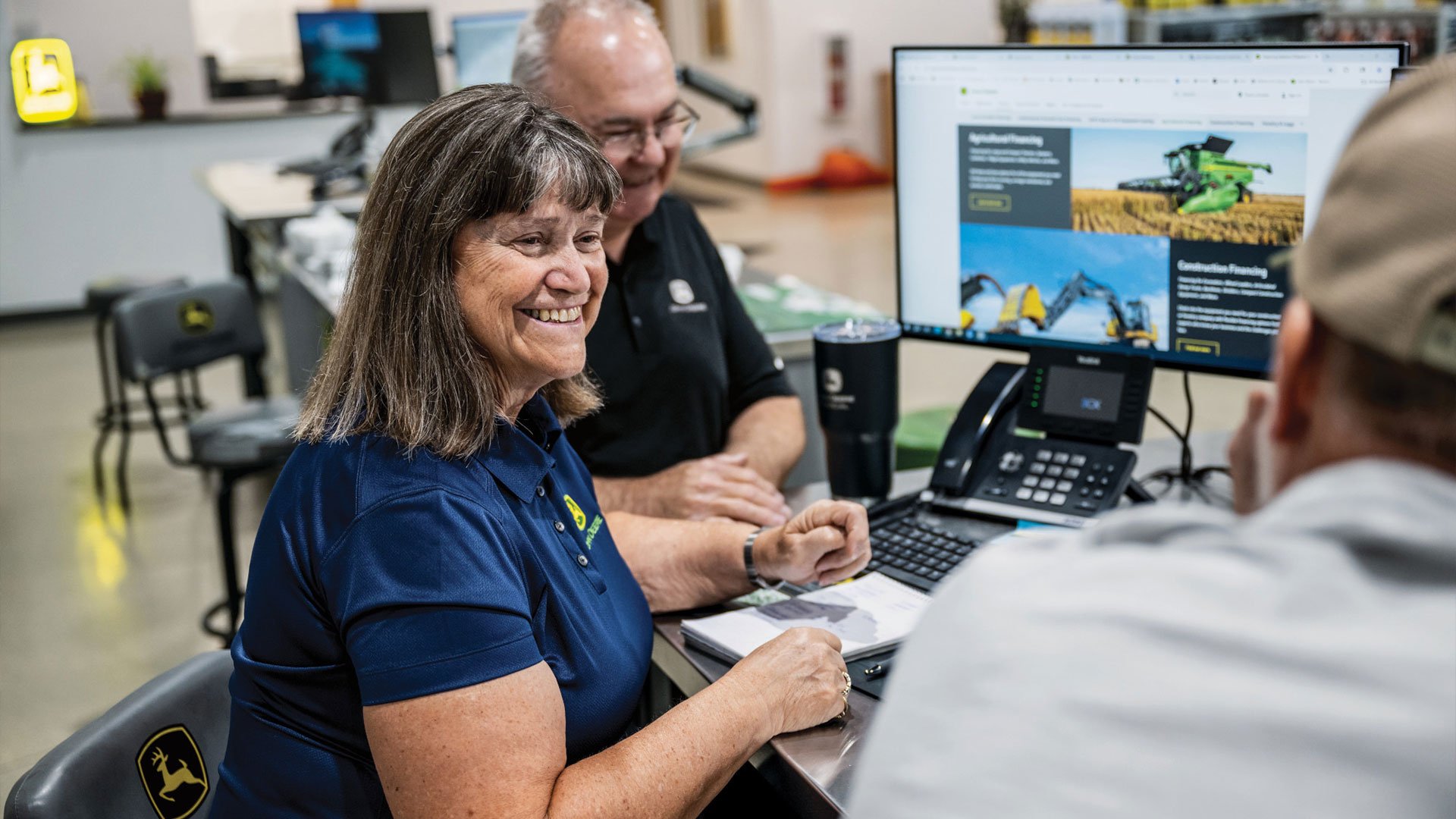
Pre-qualification with John Deere Financial is quick with the right information in hand, and financing is subject to credit approval. Ask us up front what a pre-qualification does and does not do to your credit before you apply.
For the buying-side context that pairs with this guide, our New vs. Used John Deere Tractors buying guide and our first used compact tractor guide cover the decisions that come before the financing conversation.
The next step is simple: check what is live for your machine on the offers page, then call or text your nearest store and we will run the three levers on your actual numbers in the room.
Find parts for your 1025R
Shop genuine John Deere parts that fit the 1025R and 2025R at Koenig Marketplace — search by your exact model to see what fits.
See how the 1025R compares
Weighing your options? Koenig has side-by-side spec comparisons for the equipment we sell:
Not sure which compact machine is right for you?
Answer a few quick questions and Koenig will match you to the right John Deere machine for your jobsite, based on how you work and what you need.