Published: October 27, 2026
Updated: October 27, 2026
|
The short answer: sort your harvest alerts into three buckets and hand us the list before the shop fills
After harvest, the screens worth your time in Operations Center are the ones that hold history, not the live map. Pull the alert and diagnostic trouble code history for each combine, the engine and separator hour totals, the idle versus working time split, and the season's machine trend reports. That is the record of what the machine was telling you while you were too busy to listen.
Sort what you find into three buckets. Anything that caused a derate or a shutdown is fix-now, because it already cost you a field day once and will again. A code that repeated across several fields or several days is inspect-this-winter. A code that showed once and cleared on its own is a watch item; note it and move on. Hour totals belong in the winter bucket too: they show which service intervals you crossed in the fall and which you will cross before planting. Check your operator's manual for the exact intervals on your model.
Timing is why this is a November job rather than a February one. Across Indiana and Ohio, combines come out of the field in late fall, planters have to roll in spring, and shop calendars fill from the front. A sorted list in hand early means the inspection starts with your known problems instead of a generic checklist, and the parts you need can be ordered before the machine comes through the door.

Combine alerts worth acting on, and which ones are harvest noise
Start with the alerts that repeated. A hydraulic or transmission temperature warning that came back every afternoon, an aftertreatment or DEF fault that cleared and returned a week later, a feederhouse or separator overload that showed up every time the corn got wet: those are inspect-this-winter at minimum. A recurring code means a component is drifting, and it is far cheaper to open up in January than in a muddy field in October. The ones you can usually watch: a single sensor dropout, a low-voltage flag on a cold morning, and operator-setting warnings that went away after a calibration.
Then compare hours to intervals. Set engine hours and separator hours against the service points in your operator's manual. If you are closing in on one, put the fluids, filters, and belts on the winter inspection instead of letting them come due in September.
The corn header gets the same treatment, even though it rarely throws a code. Header hours tell you how much work it did; what you saw in the field tells you what it needs. Note stalk roll wear, deck plates that kept creeping, and gathering chain stretch, and keep that list with the combine's. The header is the first thing that quits in October, so it should not be the last thing on the list.
Tractors and sprayers: building the rest of the winter list from the same data
Row-crop tractors sort the same way. Fall tillage hours, PTO and hydraulic load alerts, and idle time put each tractor into one of two visits. Moderate hours, a clean alert log, and reasonable idle time mean a fluid-and-filter stop. Repeated hydraulic or PTO load alerts under the ripper, or a large share of hours spent idling in the cold, earn a transmission and hydraulic-pressure check on the same ticket. Note which tractor pulls the planter; that decides its place in line.
Sprayers hide problems behind winterizing. Pump hours and boom section or boom height alerts from the last passes point to pump seals, solution system fittings, and nozzles that were already spraying uneven before you blew the lines out. Winterized plumbing keeps water from freezing in the system, but it does not fix a seal that was weeping in September. Put the sprayer on the list with the specific alerts attached so the technician starts at the right spot instead of hunting.
Then add what JDLink cannot see. The planter, grain cart, heads, and older tractors each get a line, with a photo of the hour meter and a sentence on what you noticed in the field. One list covers the whole fleet. Rank it by consequence, not by machine: the planter tractor and the sprayer cost you a planting window if they sit, so they book right behind the combine, ahead of the tillage tractor you will not need until next fall.
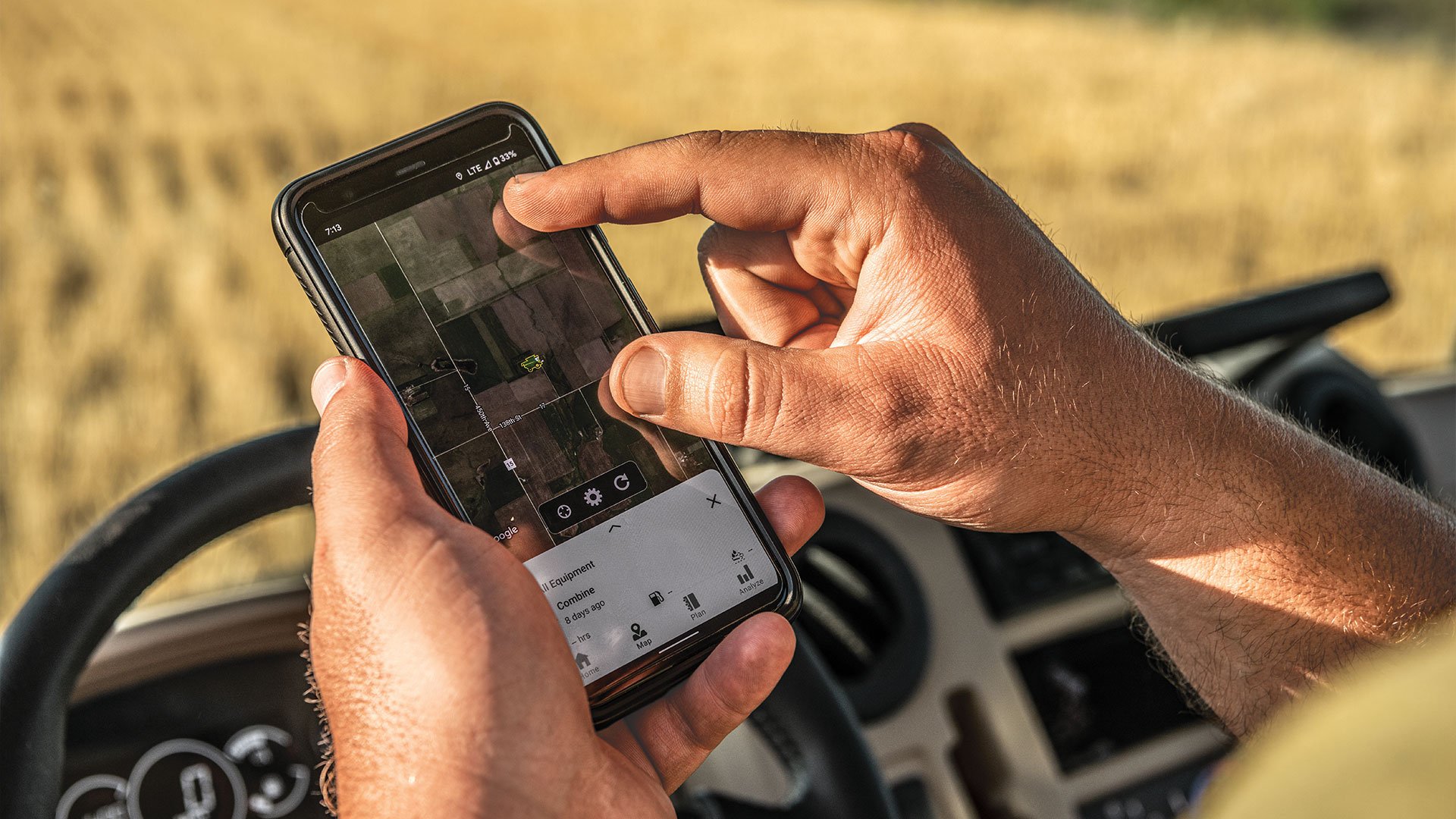
The honest limit: JDLink flags what sensors see, not what wears
JDLink reports what a sensor can measure: temperatures, pressures, voltages, hours, fault codes. There is no code for concave and rasp bar wear, a cracked sieve, a stretched feederhouse chain, or a bearing that is a week from letting go. Those show up when a technician has the panels off and a hand on the part. A clean alert history on a combine that ran a long, wet harvest is not proof it is ready for next fall. It is proof the sensors did not see a problem.
So treat the data as a way to order the work, not a reason to skip any of it. The alert list tells you which machine gets opened up first and which systems get the closest look; the inspection itself is still hands-on and complete.
Keep one season of alerts in perspective, too. A machine's real pattern shows when you set a few harvests side by side: the same temperature warning every September points to a cooling system problem, not a hot week.
Next step: share your Operations Center data, book the combine first, and put the rest of the fleet on the same ticket
Bring three things to your local Koenig store, or send them ahead: your sorted fix-now, inspect-this-winter, and watch list; engine and separator hours for every machine on it; and the parts you already know you need. Belts, sieves, sprayer nozzles, and anything the alerts have already flagged should be on order before the winter parts rush, not discovered when the technician opens the panel. Confirm your Operations Center organization is sharing machine data and alerts with your store before you book. Then the service writer sees the same codes and hour marks you do, and the work order starts from your data instead of a phone description.
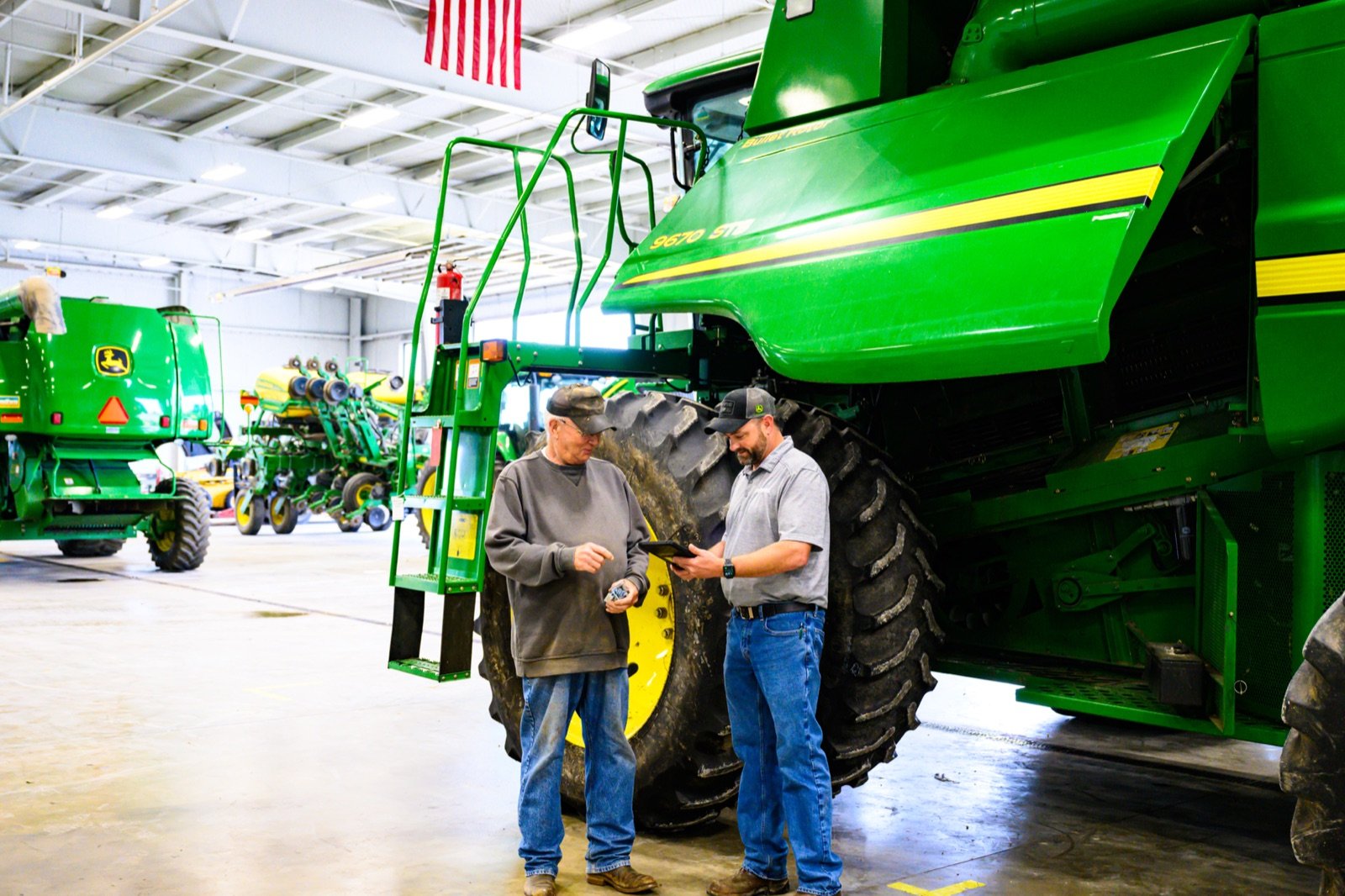
Book the combine first, because it has the longest lead time on parts and the least forgiveness next fall. Then put the tractors and sprayer on the same ticket. Our Ag Off-Season Inspection program is built to catch problems early and lower your maintenance costs by doing preventive work while the shop has capacity, and it carries discounts for preventive maintenance done in the off-season. If you are booking five or more machines, ask about our Full Fleet Loyalty Program as well. Your nearest store has current details, and with our stores across Indiana and Ohio, the inspection happens close to the farm.
One of our Customers put it simply: there is no value to downtime. That is the whole case for doing this in December instead of April.