Published: October 20, 2026
Updated: October 20, 2026
|
The short answer: rebuild when the quote is a small fraction of trade value, trade when engine and hydros are both due, add a unit if you turned away mowing this year
Here is the rule you can apply to every machine in the yard tonight. Pull the hour meter and get a rebuild quote. If the unit still has solid life in it and the quote comes in at a small fraction of what it would bring on trade, rebuild it. If it is high on hours and both the engine and the hydros are due, trade it, because you are about to pay for two major jobs on a machine whose value drops with each one. And if you turned away mowing this year or had a crew sitting idle waiting on a down unit, the question is not rebuild or trade. It is whether another mower earns its keep.
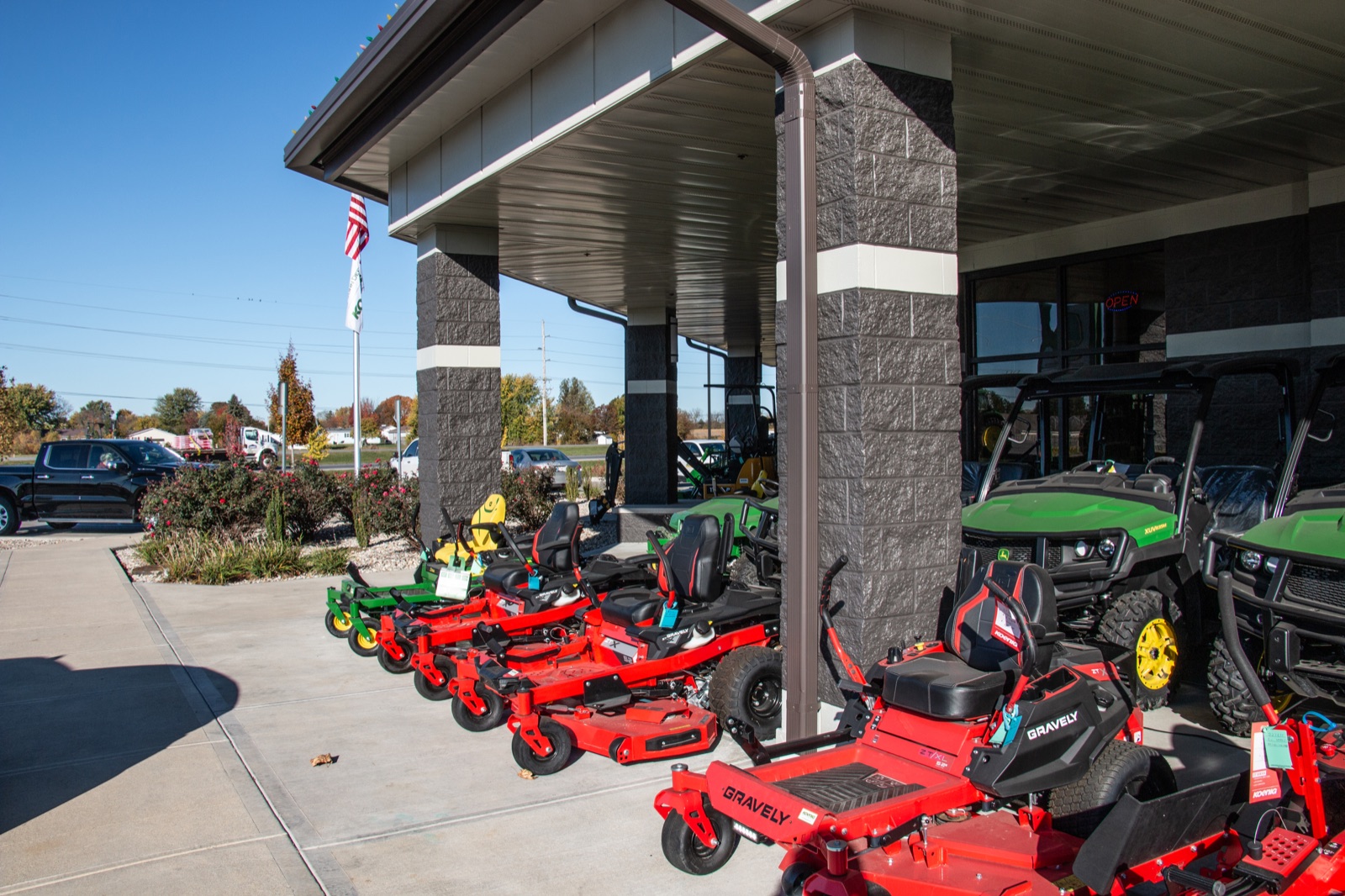
Judge by hours and the repair-to-value ratio, not model year. Two Gravely zero-turns that left our lot the same week can be very different machines by now if one crew ran twice the hours, and they deserve different answers. We cannot give you a single hour cutoff that fits every model and every operator, which is exactly why the quote and the trade number matter more than a rule of thumb.
Do this after fall cleanup wraps up, not in spring. Fall receipts are what make a rebuild bill palatable, and the snow revenue that starts a few weeks later is what makes a new-unit payment comfortable. Decide now and every machine is settled before the first plow goes on the truck.
Rebuild math by component: what a hydro, an engine, and a deck cost against trade value
On a commercial zero-turn, the wear points come due in a predictable order. Spindles, belts, and deck hardware go first and sit at the low end of the bill. A single hydro pump or wheel motor is the next tier, installed. A replacement engine is the big line item, and once you are there, the quote is a real share of what the machine would bring on trade. Treat those as planning tiers, not quotes. We price off your serial number, so bring it or the machine.
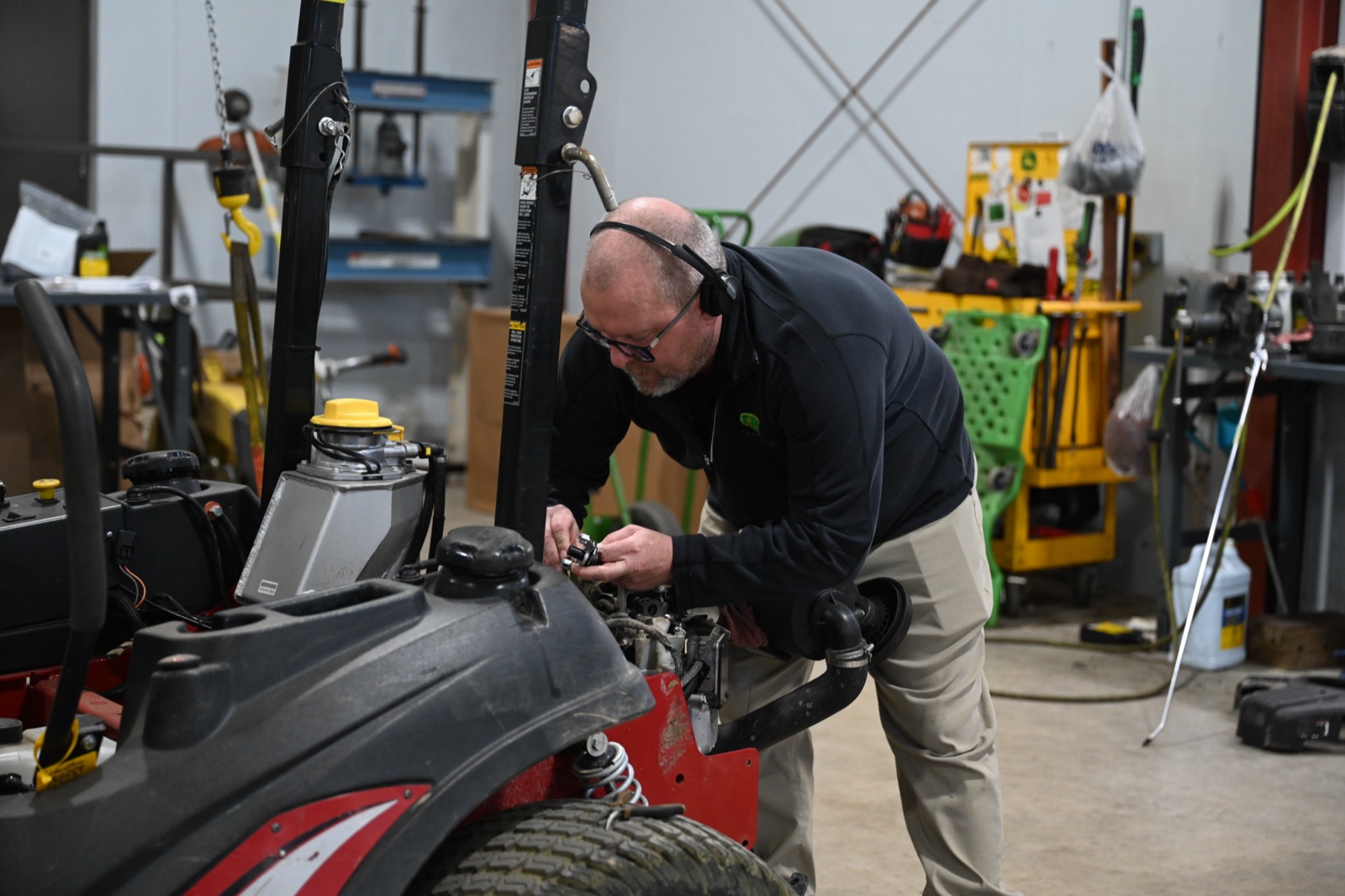
The break-even is about what you keep. One hydro on a mid-life Gravely with a strong engine, deck, and frame is a rebuild: the rest of the machine still has years in it. Two hydros plus a tired engine on a high-hour unit is spending trade value on a mower that still has the old frame, deck, and seat. A rebuild also does not reset the warranty or make the machine younger to the next buyer, so rebuild only what you intend to run to the end.
Trade-in reality: what a high-hour Gravely brings, and how the number changes when it goes toward a new unit
A commercial Gravely with high hours and a worn deck trades for less than most owners hope. Model year moves the number less than the hour meter, the deck shell, and the hydros. Loose spindles, a rusted-through deck, a hydro that weeps on the trailer floor: our appraiser sees those before the badge, and so does the next buyer.
Where trade value does its work is as a down payment. Depending on the terms of the offer, it can be combined with current financing, including low- or zero-down promotions when they are running, on new or used equipment, so a modest trade can still cut the cash out of pocket before snow revenue starts. Promotions change through the year, so ask what is active the week you are ready to deal. And trade before the big repair, not after. A quoted engine job does not add that same amount to the trade number; a machine with the engine on the clock is appraised as such either way, and the cash you spend fixing it is cash you will not see back at the desk.
For the replacement, the right Gravely depends on the properties you mow, not the one you are giving up. Bring your acreage and the size of your tightest sites, and we will match deck width and frame to the work rather than guessing from the old machine. We also carry John Deere ZTrak, including the Z930M, so if your crew wants to compare the two side by side, ask your nearest store what is on the lot.
The case for adding a unit: when a fourth mower pays for itself and when it just sits in the trailer
The signals are in your own books. Routes that ran past daylight in the spring rush. Jobs you turned down because every crew was full. A mower that sat in a shop bay for weeks with nothing to cover its route. A contract you already shook hands on for next season. Any one of those is a reason to price a new unit. Two or more and you are already paying for a mower you do not own, in overtime and turned-away work.
Run the math the way you run a bid. Take the monthly payment on a new commercial Gravely, a ZT HD or XL 60 depending on your properties, spread across the seasons you expect to run it, and set it against what one extra operator bills in a peak week. On most commercial routes that comparison settles the question. Financing promotions on Gravely change through the year, so ask what is active before you assume the standard rate.
A spare unit is a different purchase than a growth unit, though. A backup only pays if a crew standing idle costs you more than the payment, and a growth unit only pays if you have the labor and trailer space to run it. If you have neither, keep the money and put it toward rebuilding what you own.

Next step: bring the hour meters and your spring schedule to a Koenig fleet review
Before you call, write down three things for every zero-turn: the hours on the meter, the issues your crew has been working around, and whether it stayed on the route all season or spent weeks in the trailer. That list, plus your spring start date and any accounts you expect to add, is all a fleet review needs. Bring it, or the machines, to whichever of our stores across Indiana and Ohio is closest to your shop.
You leave with a decision on every machine, not a sales pitch. Each unit gets a rebuild quote and a trade number pulled on the same visit, so you compare two real figures instead of a guess against a hope. The keepers get an off-season inspection booked, and if you are bringing five or more pieces of equipment, ask about our Full Fleet Loyalty Program, which can earn up to 50% credit back on inspections plus a 10% labor discount on the work that follows. Anything new gets the current financing and seasonal promotions laid out in the same conversation, and we will tell you plainly whether your trade value and the current offer can be applied to one deal. Offers change with the season, so ask what is active when you come in.
Service bays are quietest once mowing wraps up, and they fill as spring approaches. A rebuild booked in the off-season gets done on your schedule; one booked in March waits behind every homeowner in the county.